
Choosing a material is the first design decision of any housewares program, and it is the one that most affects how a piece looks, ages and prices. Because we work across forging, casting, machining, wood turning and finishing, we are rarely limited to a single material — we can match the material to the brief rather than the other way around. This guide walks through the ten materials and finishes we work in most, what each is best suited to, and the food-safety facts you should keep in hand when you specify.
The metals
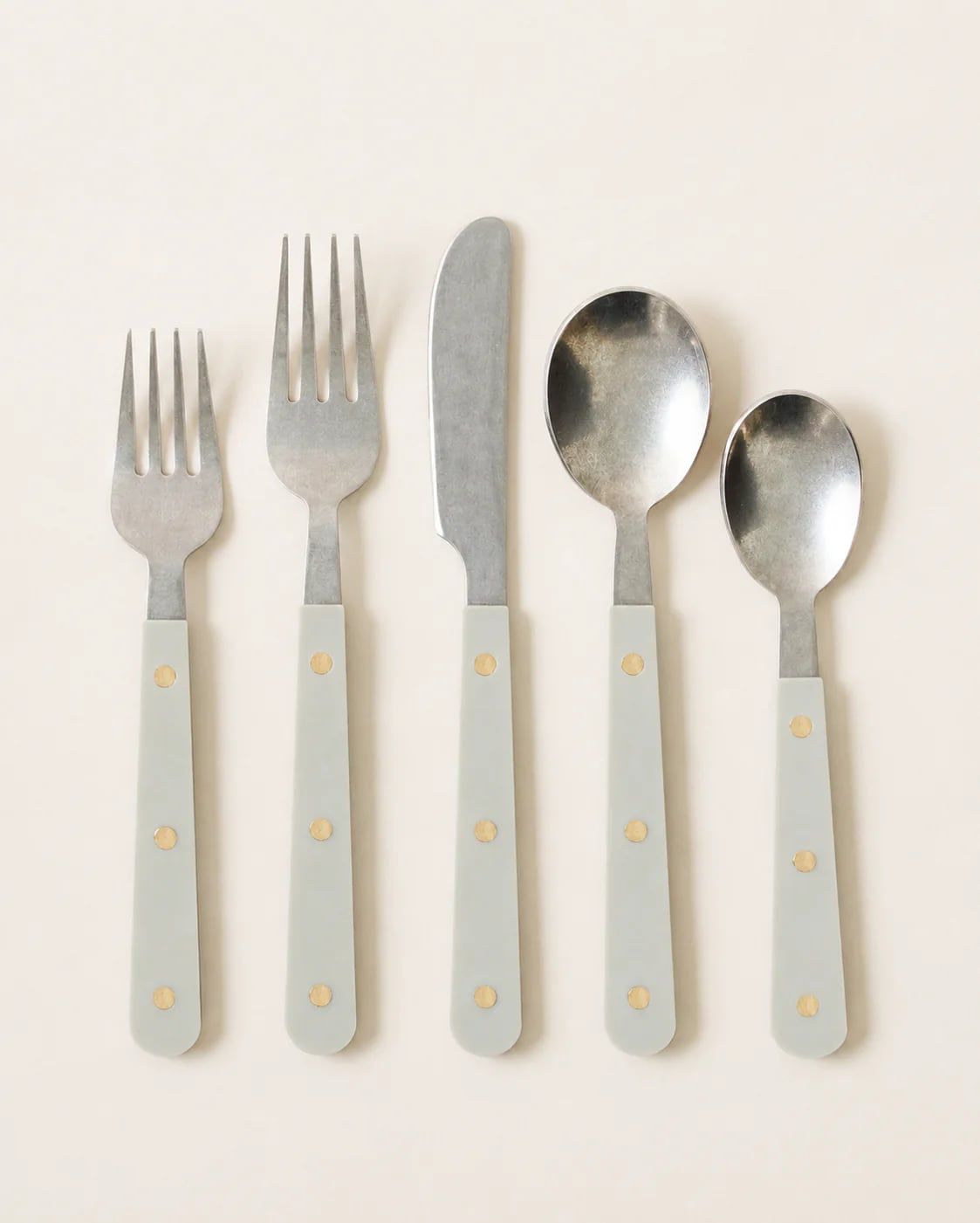
Stainless steel is the workhorse of the tabletop, and for good reason: it is durable, corrosion-resistant and easy to maintain. Our stainless is FDA-compliant, which makes it the natural default for flatware bowls and blades, serveware and any piece in regular contact with food. Specify it where longevity and a clean, contemporary look matter most.
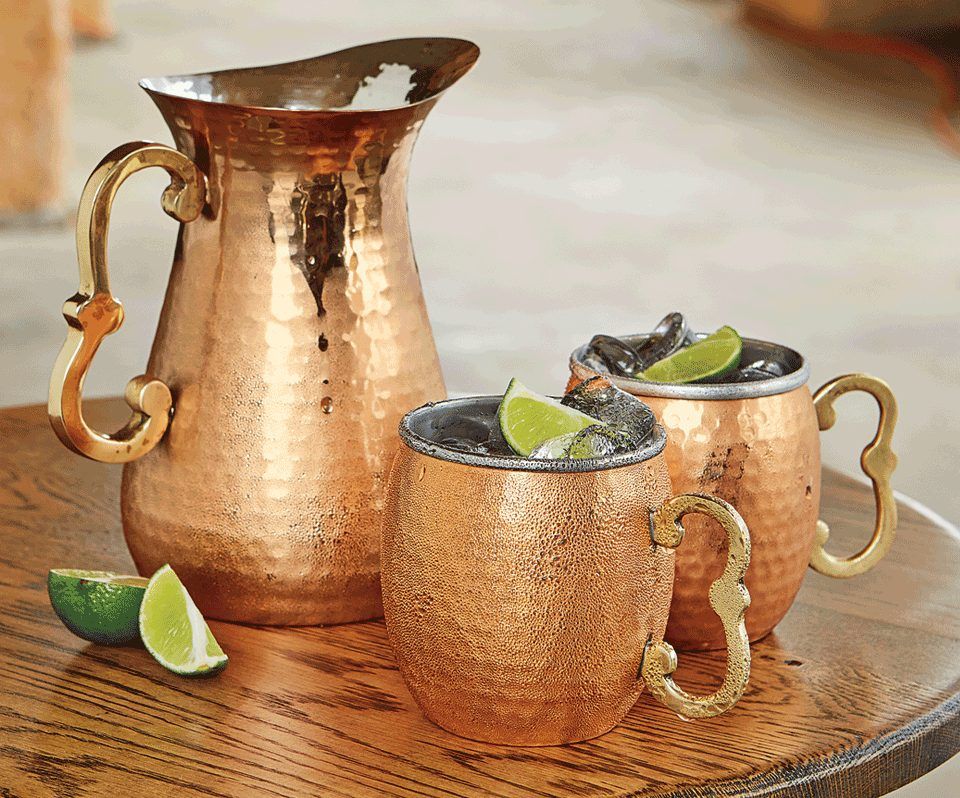
Copper brings warmth and a high-end signature, especially in our hammered, dual-wall cookware with a stainless lining — a construction we have refined over more than two decades of turning copper and stainless steel. Where copper meets food or drink, we either apply a food-safe coating or line it with stainless, so you get copper's looks without the food-safety compromise.
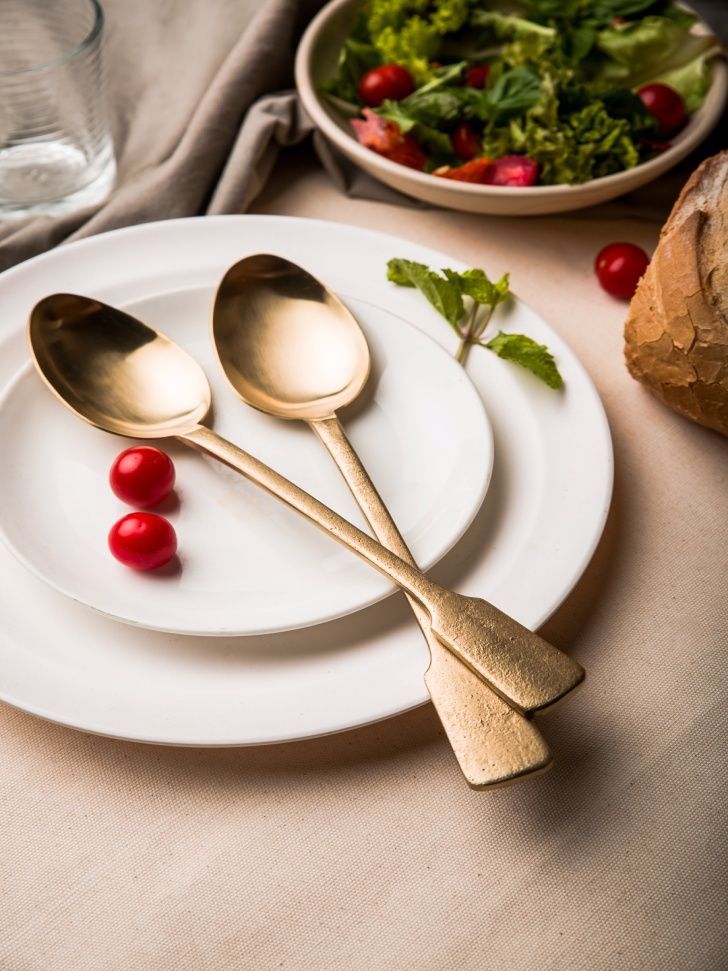
Brass is for warmth and sculpture: cast-brass figures and artware, brass home accents, handles and structural details. It is best as a decorative and accent material and in components rather than primary food-contact surfaces.
Cast iron is the choice for heat retention and rugged, long-life cookware. It rewards a program that wants serious performance and a substantial hand-feel, and pairs naturally with our cookware range of skillets, Dutch ovens and saute pans.
The natural materials
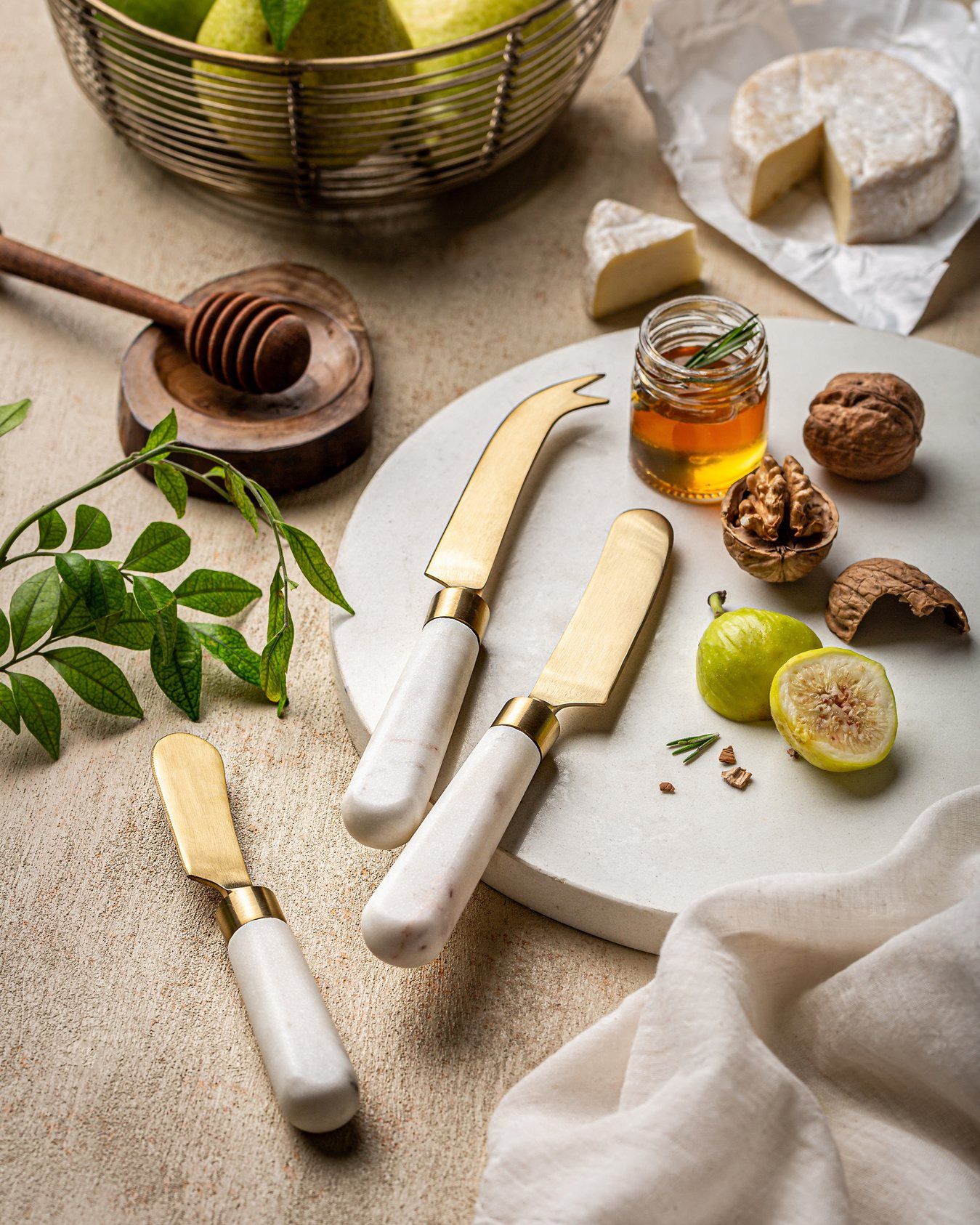
Marble (and granite) gives a program weight, coolness and a premium feel — think pour-over stands, utensil holders, pinch bowls and trays. Our rule of thumb on the floor is simple: if it can be carved from marble, it can be developed. Wood brings tactility and craft, turned and carved by hand for handles, scoops and serving pieces, and it is where our FSC sourcing comes into play for programs that need certified material. Both age beautifully when matched to the right use.
The finishes
Finish is where a material gets its final character, and our roots in electroplating give us a deep PVD range. Gold PVD delivers a rich, warm gold that wears far better than traditional plating. Champagne Gold PVD is the softer, more neutral cousin — gold without the heat, ideal for understated premium lines. Black PVD gives a modern matte-to-satin black that pairs strikingly with natural handles. All three are applied because PVD holds up to years of real service rather than dulling after a season. Brushed steel rounds out the set with a clean satin finish for contemporary, minimal programs. Across all of these we can add mechanical and chemical textures, plus laser etching, for logos, patterns and bespoke detail.
How to choose — and how we keep it safe
A practical way to narrow the field: start with the use. Food-contact and high-wear parts point to FDA-compliant stainless, optionally finished in PVD. Statement and decorative pieces open up brass, marble and wood. Performance cookware points to copper or cast iron. Beverage and serveware that needs copper's look gets a food-safe coating or stainless lining. Across the entire range, the same standards apply: FDA-compliant stainless, food-safe copper linings, compliance with California Proposition 65, and an operation run as a SEDEX member with SMETA audits and FSC sourcing behind it. That means whichever material you choose, you can specify it with confidence — and prototype it in your chosen finish before you commit a single SKU.