
Acrylic vs glass beads (and wood): which suits your curtain?
Journal · Buyer’s Guide

Acrylic vs glass beads (and wood): which suits your curtain?

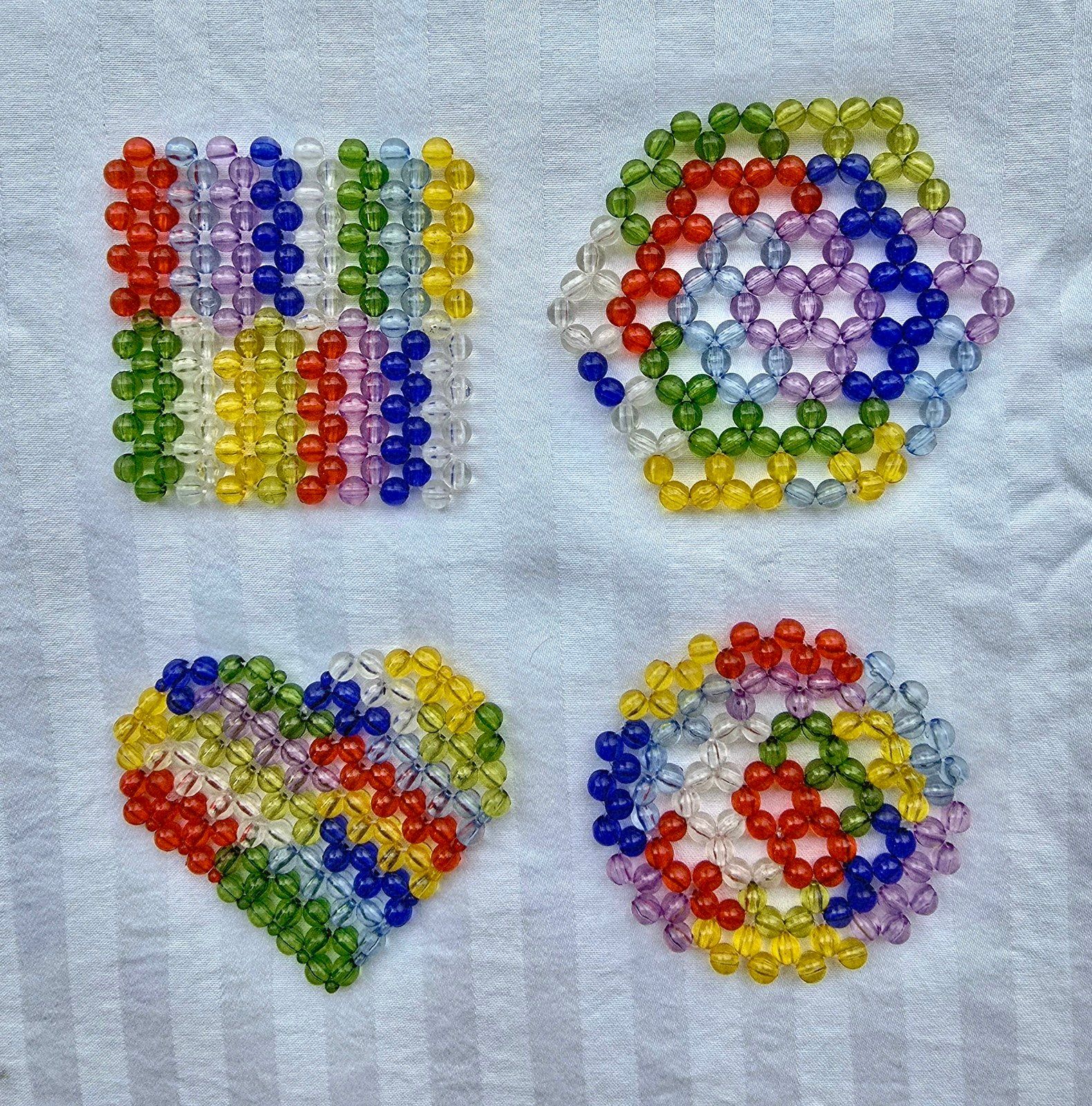
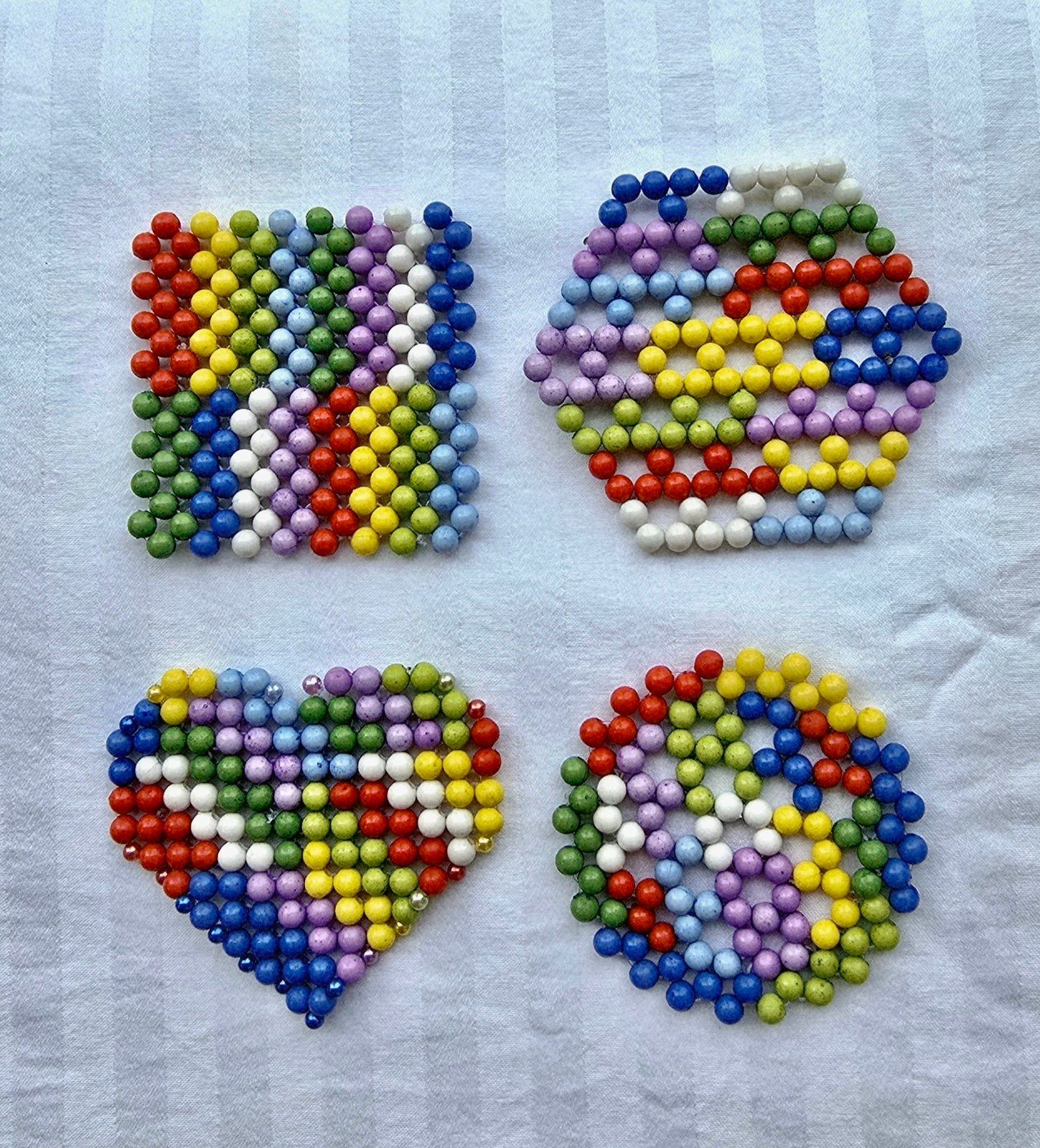
Acrylic vs glass beads is the first question in almost every beaded curtain brief, and wood is usually the third option on the table. The choice decides how the curtain hangs, how it sounds, what colours are possible, how it survives shipping and what it costs to land. We make all three: glass beads in our own furnaces in Firozabad, acrylic beads injection-moulded and dyed to colour, and wooden dowels from our own wood factory in Saharanpur, with wood beads specified per design. This guide compares them for buyers.

· Gemixx Exports

The short answer

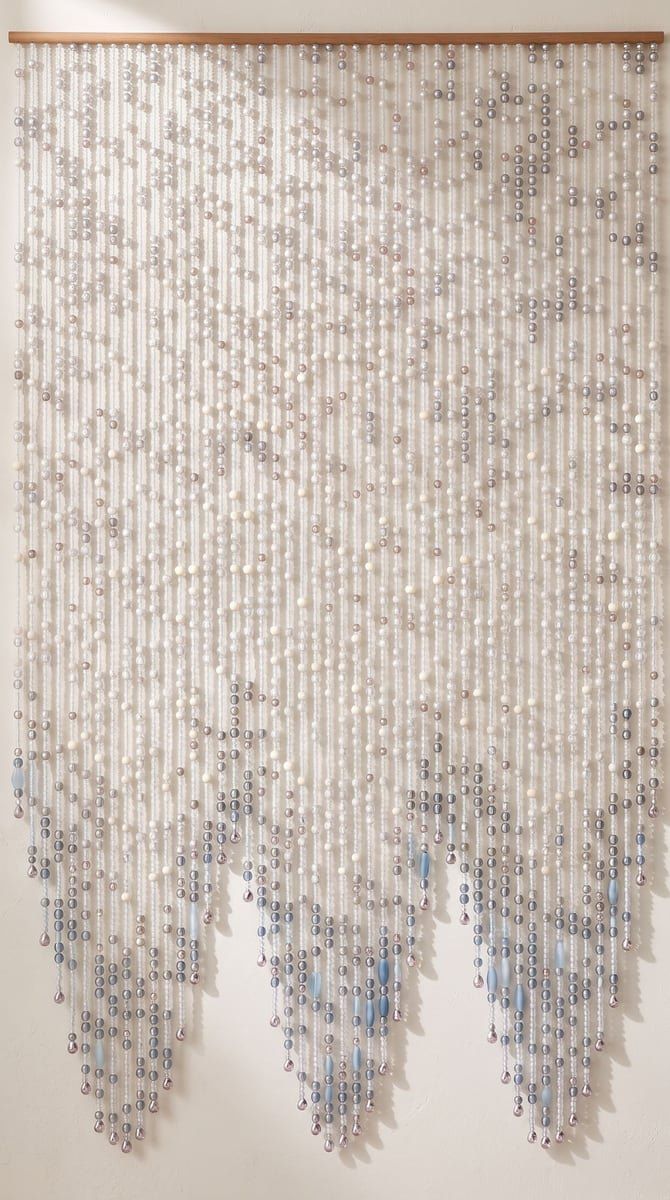
Choose glass for sparkle, weight and a premium feel, where the curtain will be handled gently.

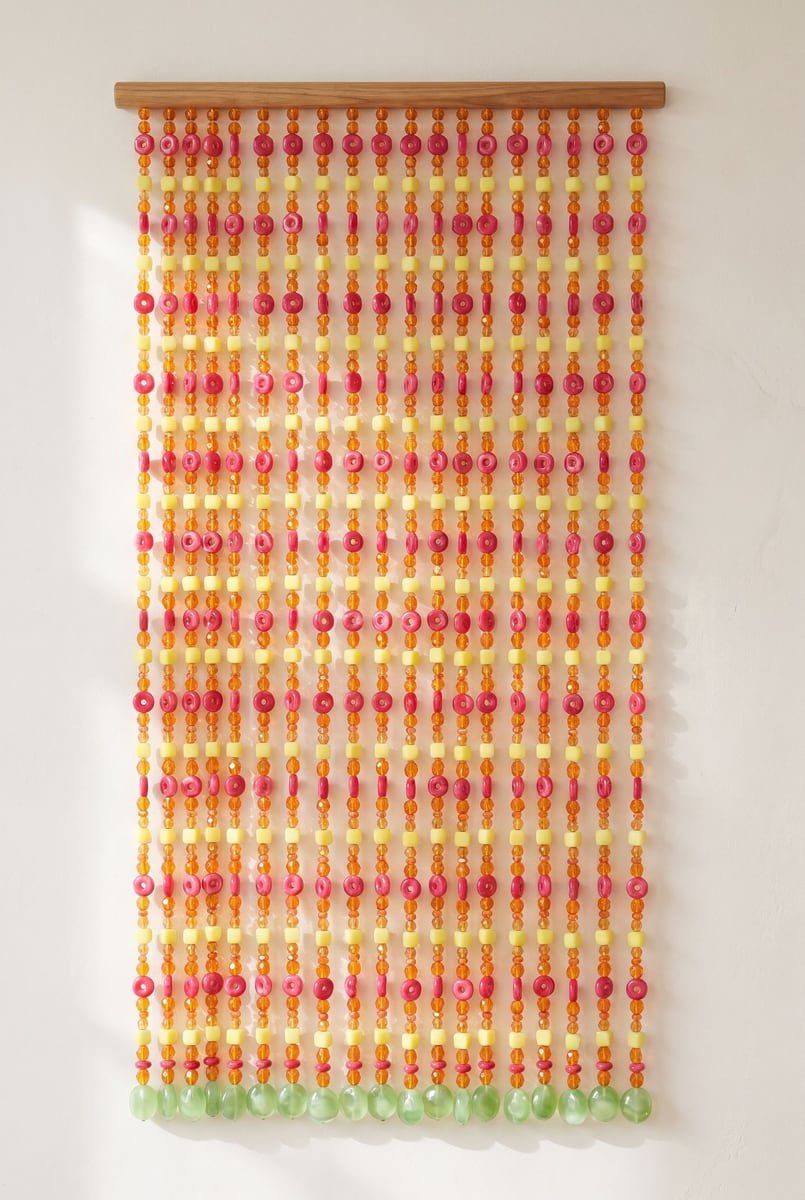
Choose acrylic for exact colour, light weight, lower freight and durability in busy or family settings.

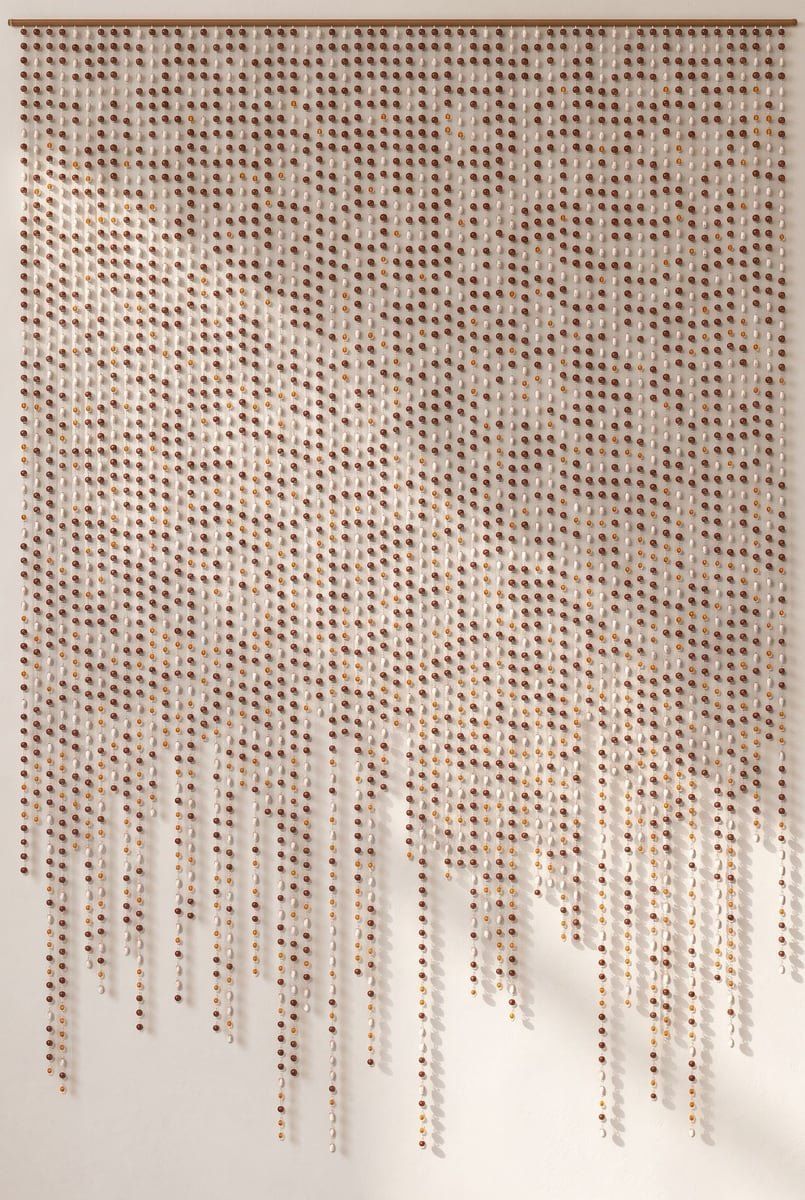
Choose wood for a natural, warm look and a quiet sound.

Many of the best curtains mix them: wood or acrylic for most of the length, glass for accents.
Side by side

Bead

Weight and drape

Sound

Colour range

Breakage

Glass

Heaviest; hangs straight and settles fast

Bright chime

Wide, with tints and specialty beads

Can chip or crack if knocked hard

Acrylic

Light; moves more, needs good design to hang straight

Light click

Widest; dyed to any reference

Does not shatter

Wood

Light; soft movement

Soft knock

Natural grain, or colour finish

Rarely breaks; avoid damp

Weight and drape

Glass is roughly twice as dense as acrylic, and most woods are lighter than acrylic. On a curtain that difference shows in two ways. First, drape: glass strands pull straight and settle quickly after someone walks through, which keeps a graphic pattern legible. Light acrylic and wood strands sway more, so designs often use bigger beads or a heavier end bead to steady them. Second, load: a full-length glass curtain puts real weight on the rod, which matters if the customer will hang it from a tension rod.

Sound

Sound is underrated in a brief. Glass gives a bright chime, acrylic a lighter click, wood a soft knock and bamboo a dry rattle. For a bedroom or a spa the quieter materials often win; for a bar or an event entrance the chime of glass is part of the appeal.

Colour range

Acrylic has the widest range, because the beads are dyed to the colour you specify, matched to a Pantone reference or a physical chip. It can be matte or glossy. Glass offers deep, luminous colours, transparent tints and specialty beads such as dotted or Venetian styles, with a slightly narrower range per run. Wood is mostly about natural tone; colour finishes are possible but read differently from dyed acrylic.

Breakage and durability

Glass can chip or crack if beads are knocked together hard or the curtain is dropped. Larger glass beads can be annealed for strength, and careful packing does most of the work. Acrylic does not shatter, which makes it the safer choice for kids rooms, dorms, events and busy commercial doorways. Wood does not break, but it should be kept away from constant damp.

Cost

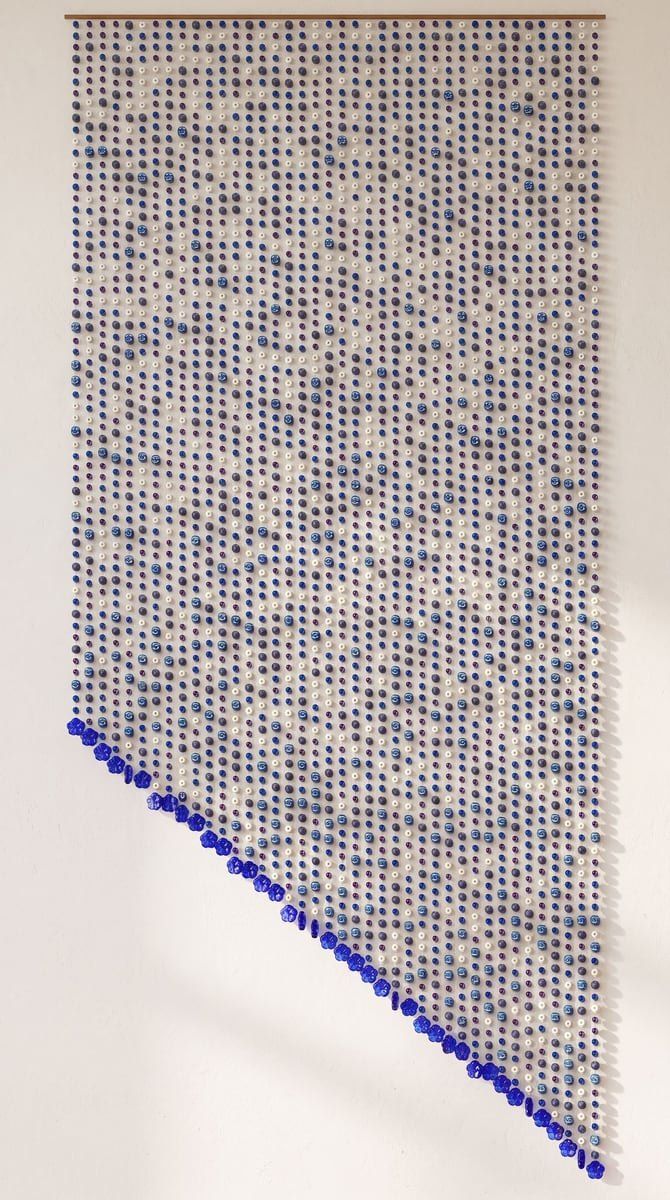
Bead material is only one part of the price. A densely patterned 90 x 200 cm curtain can carry about 11,800 beads, so bead size, strand count, spacing and height all move the cost as much as the material does. As a general rule:

Glass beads cost more per bead than acrylic, and specialty glass beads cost more again.

Acrylic is usually the most economical way to deliver a strong colour story.

Wood sits in between, depending on bead shape and finish.

A mixed curtain, with glass only where it shows most, is often the best value.

Packing and shipping weight

Shipping weight follows bead weight, so a glass curtain costs more to ship than the same design in acrylic or wood, and needs more protection so beads do not knock in transit. Acrylic and wood ship lighter and need less protective packing, though strands still have to be kept in order to avoid tangles. Whichever material you choose, we pack to your carton specification and ship to the port or warehouse you name.

Which bead for which buyer

Premium home retail, hotels and bridal events: glass, or glass accents on a lighter strand.

Colour-led retail, kids and dorm ranges: acrylic.

Natural, boho and spa ranges: wood, with acrylic or glass accents.

Event companies re-using curtains: acrylic, for durability and lighter freight.

Testing the choice on a sample

The fastest way to decide is to sample. We show a rough cost sheet with each material option before sampling, and a sample is usually ready in 16 to 20 days. Minimums also differ by material, so give us the quantity you are planning for each option and we will tell you which ones work at that volume.

Good to Know

Questions buyers ask about acrylic vs glass beads

Are glass bead curtains better than acrylic?

Not better, different. Glass hangs straighter and sparkles more; acrylic beaded curtains are lighter, cheaper to ship and do not shatter.

Which beads hang best in a doorway?

Glass, because of its weight. Acrylic and wood hang well when bead size and spacing are designed for it.

Which is cheapest to ship?

Acrylic and wood, because they are much lighter than glass.

Can one curtain use both acrylic and glass beads?

Yes. Mixing them is a common way to get sparkle where it shows while keeping weight and cost down.

Which material gives the widest colour choice?

Acrylic, because the beads are dyed to your Pantone reference or chip.

Keep Exploring

Related pages

Beaded curtains wholesale

Beaded curtains wholesale from an Indian manufacturer: door beads, valances and room dividers in glass, acrylic and wood, colour-matched and made to order.

Read more

Acrylic beaded curtains

Acrylic beaded curtains made to order: injection-moulded beads dyed to your Pantone, rainbow and colour-block designs, light to ship and packed for retail.

Read more

Glass bead curtains

Glass bead curtains made from beads out of our own Firozabad furnaces: cut and faceted glass for a crystal look, specialty beads, strung by hand to order.

Read more

Wooden beaded curtains

Wooden beaded curtains made to order in India: strung by hand on wooden dowels from our own Saharanpur wood factory and packed to your carton spec.

Read more

Beaded curtain size guide

A beaded curtain size guide for buyers: widths, drops, strand count, spacing and bead size, and how to write a spec sheet a manufacturer can quote.

Read more
Start a Conversation

Ask us which bead fits your curtain.

Send a sketch, photo or CAD. We reply within one business day.