Material
Wooden beads: turned, drilled, and never quite identical
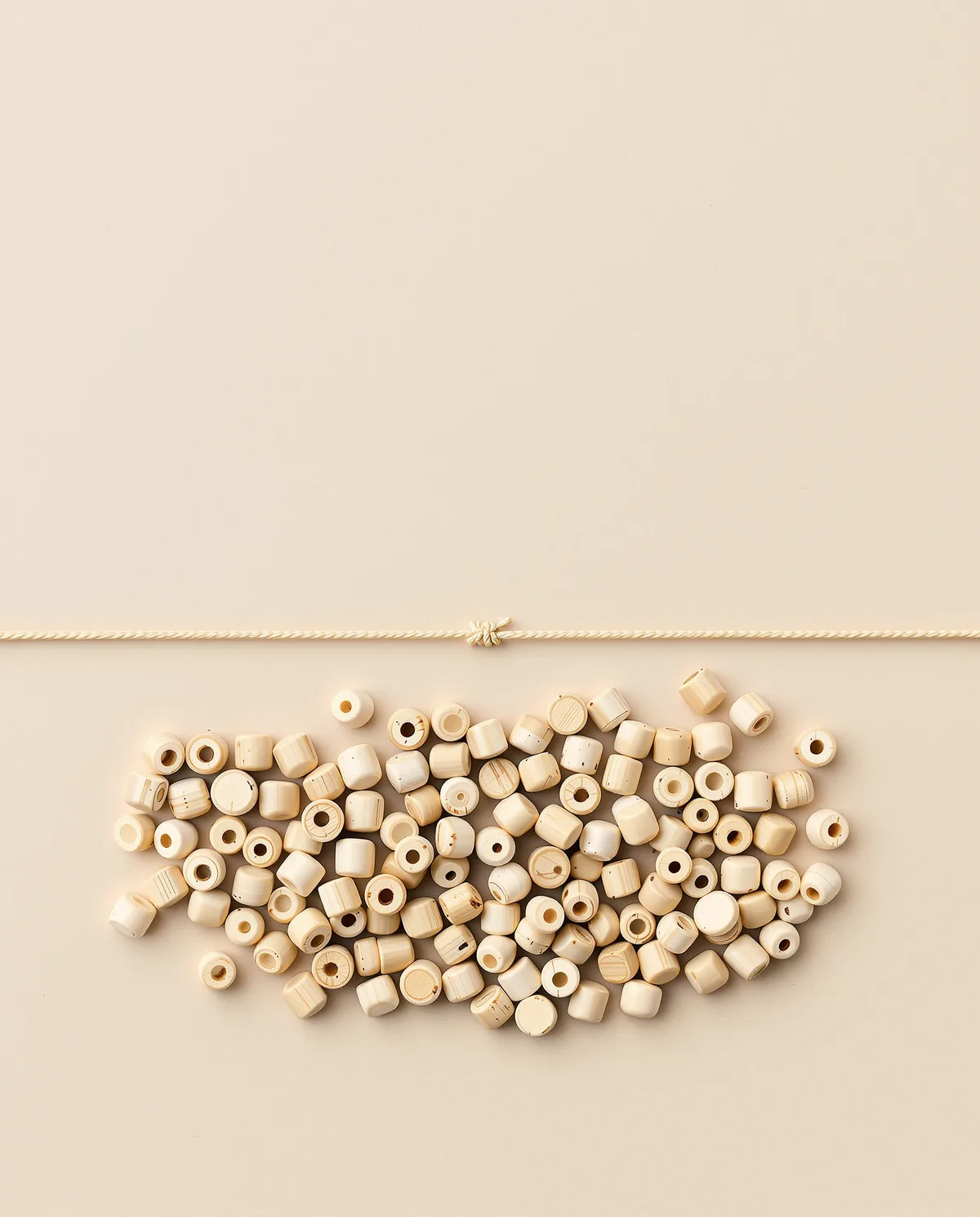
Turned and drilled in our own wood factory: grain variation you approve rather than eliminate, the finishes that hold colour, and the dowel from the same plant.
Open the reference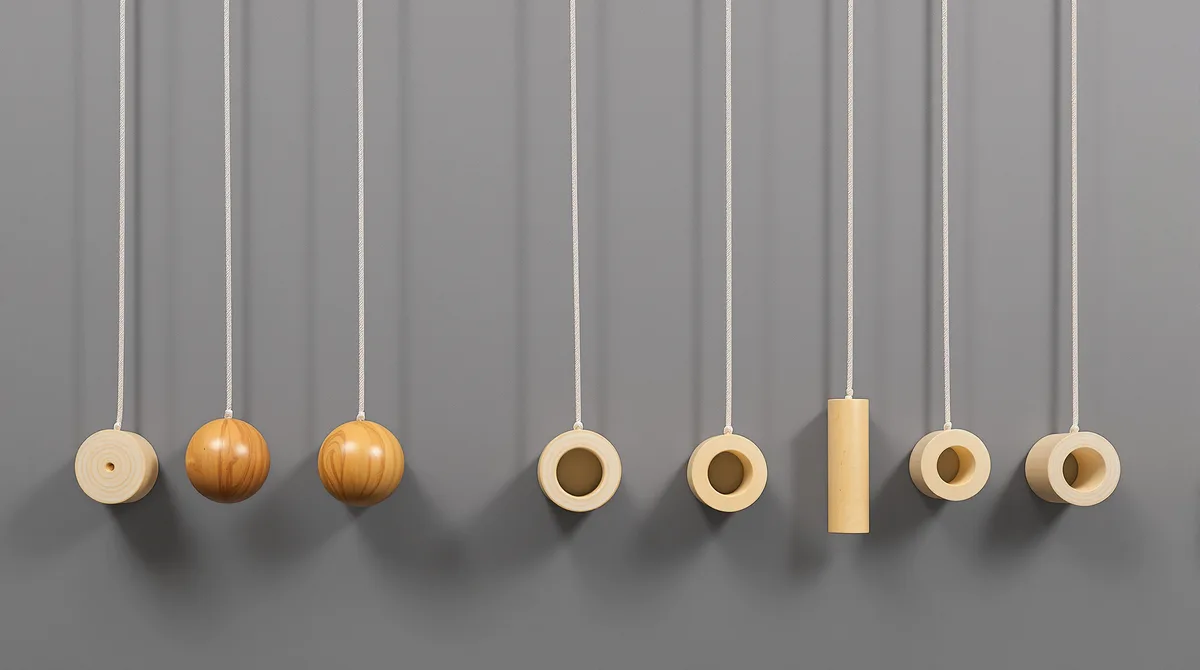
Guide · Comparison
They look like the same idea and behave differently in four ways — and wood is the one we make end to end, beads, dowels and finish, in our own Saharanpur factory.
Round turned wooden beads and short hollow sections of cut bamboo cane hung alternately, the circular open bore of the bamboo visible at every cut end.
Wood beads are turned solid and bamboo beads are cut from hollow culm, which makes bamboo lighter, drier in sound and more fragile at the cut end. Both dislike damp and bamboo marks permanently. Wood is turned, drilled, stained, waxed and lacquered in our own Saharanpur factory, which carries FSC certification for our wood lines; bamboo is confirmed per design.
Wood for almost every brief — turned, drilled and finished in our own factory, from the dowel to the bead to the lacquer. Bamboo where the dry rattle and the extreme lightness are the point.
The material difference is simple: a wood bead is turned from solid stock and a bamboo bead is a short section of hollow culm. Weight, sound, strength and colour behaviour all follow from solid against hollow.
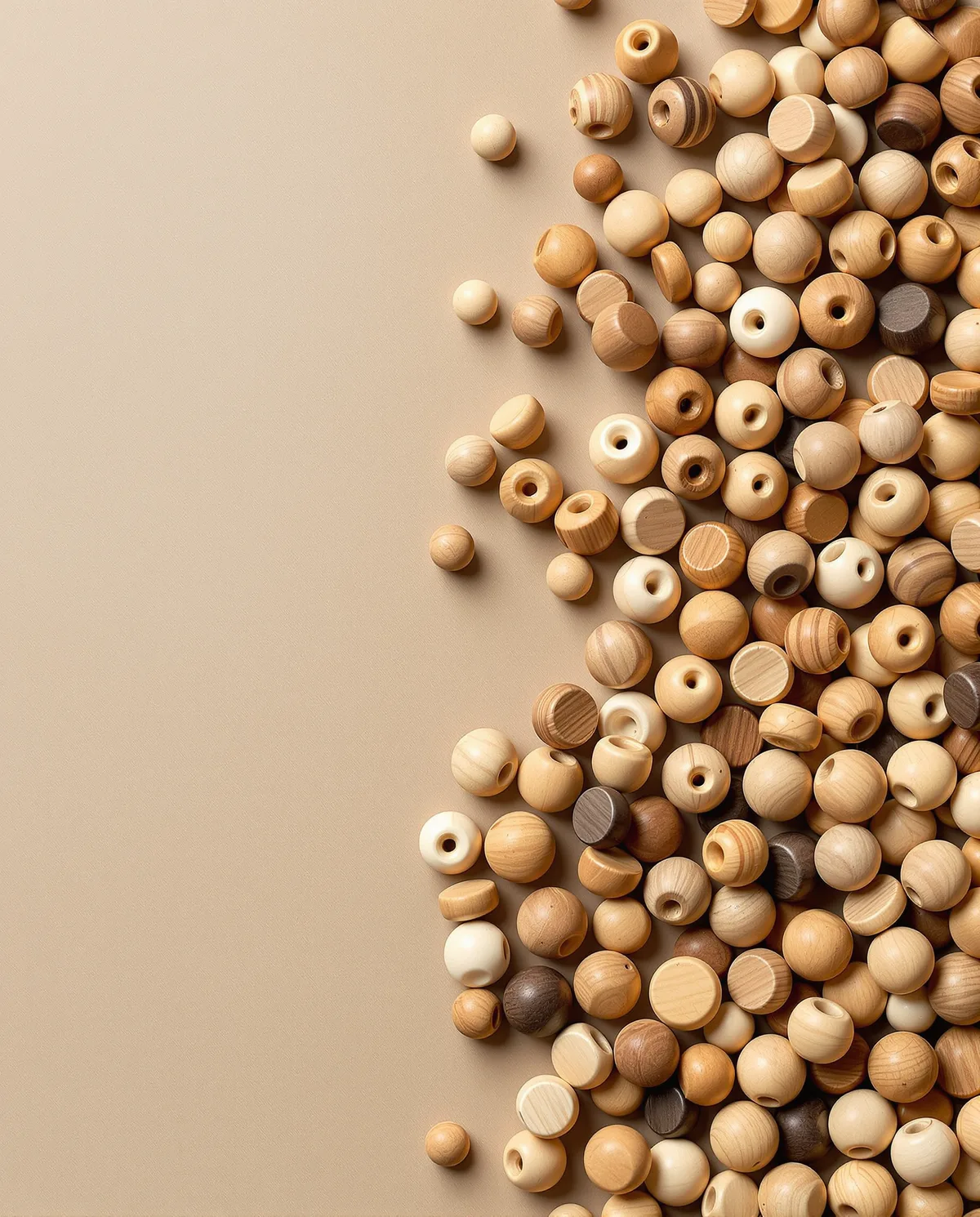
A wood bead is turned — shaped on a lathe from solid timber and then drilled. Our wood plates run rounds from roughly ten millimetres upwards in natural and stained finishes, and the drill hole is cut through solid material, so its edge is clean and its diameter is whatever was specified.
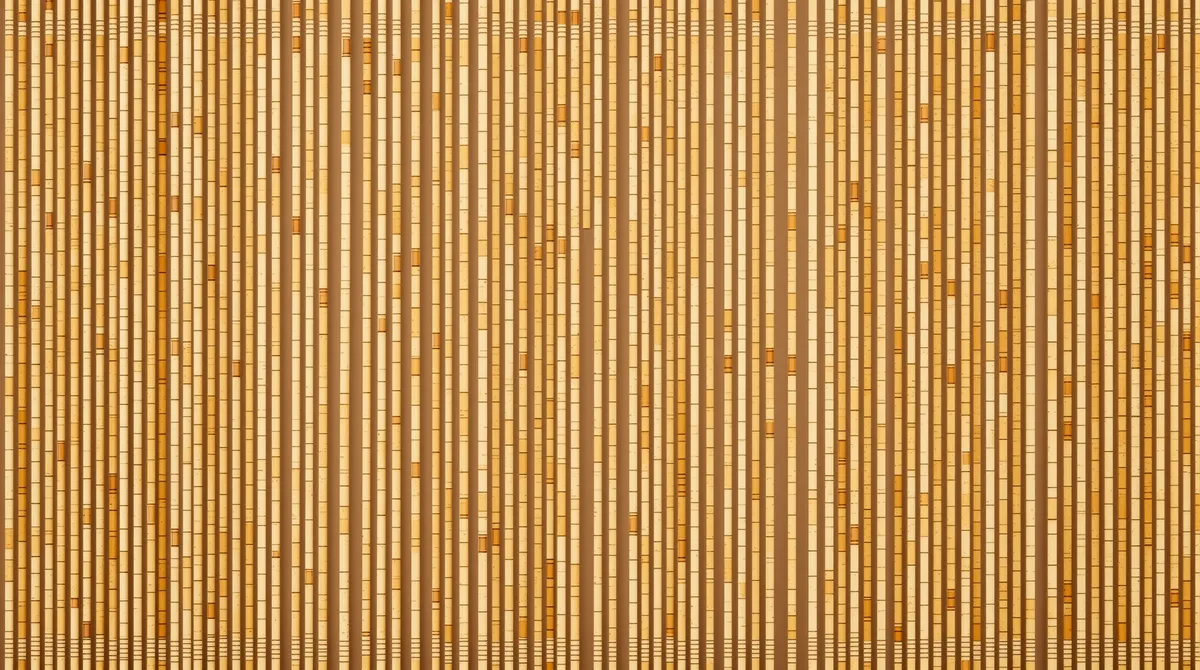
A bamboo bead is a cut length of culm: the hard outer skin on the outside, the hollow centre forming the channel the cord runs through. It is a tube rather than a sphere, which makes it light, gives it a distinctive dry sound, and leaves two cut ends that are the piece's weak points.
| Specification | Wood beads | Bamboo beads |
|---|---|---|
| Form | Solid, turned | Cut section of hollow culm |
| Weight | Light | Very light |
| Sound | Soft knock | Dry rattle |
| Colour | Natural grain, or a stain or finish | Natural texture, limited colour |
| Drill hole | Drilled through solid stock | The culm's own hollow, or drilled |
| Damp tolerance | Poor; swells and can split | Poor; marks permanently |
| Durability in use | Rarely breaks | Can split at the cut end |
| Hangs straight | With the right bead size | Needs a weighted end bead |
| Our own manufacturing | Turned, drilled and finished in our Saharanpur factory | Confirmed per design |
Wood, and it changes how the panel hangs. A strand needs enough weight to pull itself straight, and bamboo is the lightest material in the category. An all-bamboo strand drifts, catches its neighbour and tangles.
The design answer is a weighted end bead: a deliberately heavier final bead that steadies the strand so it falls straight. On bamboo it is close to mandatory rather than optional, and it is often a wood or glass bead rather than a bamboo one, which is why mixed strands are so common in this family.
Wood. It can be stained, waxed or lacquered across a usable range, and the finish sits on a solid substrate that will take it evenly. Natural grain varies between beads, which is a characteristic rather than a fault — the tone range is approved on the sample and production is held to that sample.
Bamboo takes colour less willingly, because the outer skin of the culm is hard and relatively impermeable. Its natural texture is the reason to choose it, so a heavily coloured bamboo panel is working against the material.
Neither competes with acrylic for colour range. Acrylic is moulded and dyed to a Pantone reference or a physical chip and confirmed on the sample, which is the route for a programme that needs an exact palette.
Both are at the economical end, and the cost sits where it always sits on beadwork: bead size and material first, then construction, then strand spacing, then the dowel and packing, then height. Bead size does most of the work in this family, because larger natural beads fill a panel with far fewer units.
The non-material difference is the one worth knowing: on a wood panel the dowel, the bead, the drilling and the finish are all ours, so one quote covers the whole build and one plant holds the tolerance.
Bamboo, by a small margin over wood and by a large one over glass. Freight on beadwork follows weight, and a bamboo panel is the lightest large piece in the category.
Both pack identically: strands held in their order, protected against knocking in transit, packed to the buyer's carton and label specification. Neither is held in stock — every beaded door curtain is made to order, with production at 40 to 60 days after sample approval.
Bamboo, in two specific ways. At the cut end, because a thin-walled tube can split where it was cut, especially if the cord bears hard on one edge. And in damp, where it marks and does not recover — the published guidance is indoor use, keep it dry and out of the rain.
Wood in a dry interior rarely breaks. Its failure mode is damp as well: it swells and shrinks with ambient humidity, a lacquer can lift, and a bead that has been genuinely wet may split along the grain. Both materials are the wrong specification for a bathroom, a cellar or an exterior position.
Wood suits natural and boho interiors, warm palettes, and any brief where a quiet soft knock is wanted rather than a chime. It also suits a mixed build, where a few glass accents add colour and sparkle against a warm ground.
Bamboo suits a brief that specifically wants the dry rattle and the very light movement — a coastal or tropical reference, a cabana, a covered terrace. It is a texture decision rather than a performance one.
Yes, and it is a sensible build. The textures read as one natural family and the weight difference averages out along a strand, which solves bamboo's drift problem without introducing a foreign material.
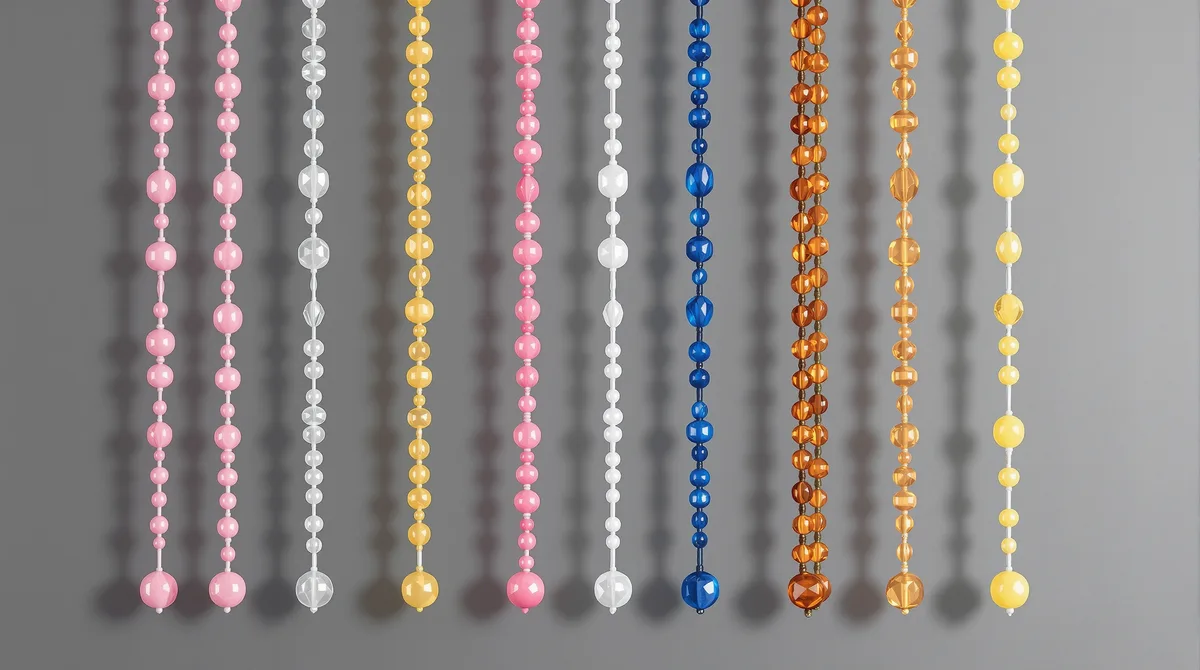
The more common mix in this family is wood or bamboo with glass or acrylic accents. That is the standard way colour and sparkle enter a natural panel while the cost stays down, and it is also the structure that works everywhere else in beadwork: a quiet ground carrying a louder accent.
In one plant, end to end. Our Saharanpur wood factory turns and carves the wood, drills the beads, runs the joinery and assembly and the bone and resin inlay, and does the staining, waxing and lacquering — and it holds Forest Stewardship Council certification for our wood lines. The dowel the strands knot over comes off the same lathes as the beads.
That is what makes wood the firmer specification and the route to write into a tech pack: one plant holds the bead diameter, the drill hole, the tone range and the finish, so the sample and the production run are held to the same standard by the same people.
Wood, with a weighted end bead and a few glass accents if the palette needs lifting. Rounds from roughly ten millimetres upwards, in natural, stained, waxed or lacquered finishes, on a turned dowel off the same lathes — the whole build on one bill of materials.
Bamboo where the brief genuinely wants its dry rattle and extreme lightness, confirmed per design at the quote, with a weighted end bead in wood or glass to keep the strands falling straight.
Good to know
Yes, and mixing is also how colour usually enters a natural-material panel — glass or acrylic accents against wood or bamboo. Mixing wood with bamboo specifically works well because the two textures read as one family while the weight difference evens out across the strand.
Bamboo, marginally, because it is the lighter of two already-light materials. Both are far cheaper to ship than glass, which is the heaviest bead family by a wide margin and the one where freight genuinely moves the landed cost.
Wood, because it can be stained or finished across a usable range and the finish sits on a solid substrate. Bamboo has its own surface — the hard outer skin of the culm — and takes colour less willingly. Neither competes with acrylic, which is moulded and dyed to a colour reference.
Bamboo, at the cut end, and in damp. A cut culm section is a thin-walled tube and it can split where it was cut; and bamboo marks in rain or constant damp and does not recover. Wood in a dry interior rarely breaks at all.
In our own Saharanpur wood factory, which turns and carves the wood, drills the beads, does the joinery and assembly and the bone and resin inlay, and runs the staining, waxing and lacquering — and holds Forest Stewardship Council certification for our wood lines. One plant covers the dowel, the bead, the drill hole and the finish, which is why a wood panel is quoted and held as one build.
Wood, unless the brief specifically wants bamboo's dry rattle and very light movement. Wood is heavier and hangs better, takes colour better, is more robust, and is turned, drilled and finished end to end in one plant we own — which is what makes the sample and the production run the same object.
Keep exploring
Material
Turned and drilled in our own wood factory: grain variation you approve rather than eliminate, the finishes that hold colour, and the dowel from the same plant.
Open the referenceGuide
A dry rattle, almost no weight, a natural look that marks in damp — and the note that bamboo is confirmed design by design.
How it is madeGuides
One guide per question that arrives often enough to be worth answering properly.
View the rangeGuide
Weight and drape, sound, colour range, breakage, cost and freight, with a verdict by buyer type rather than a neutral shrug.
Compare the optionsGuide
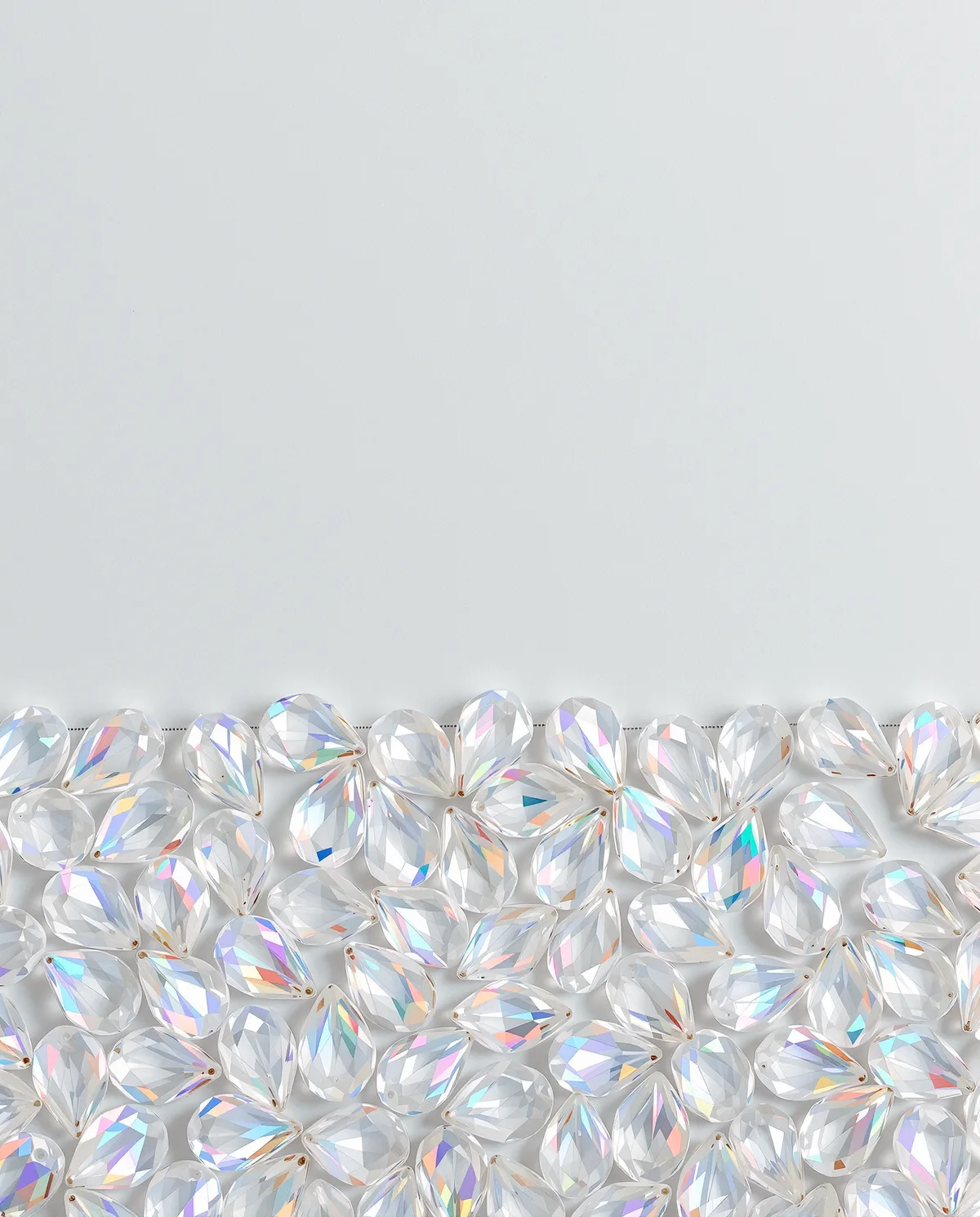
What the trade means by crystal, how cutting changes a bead, and which of the two a brief actually needs.
Compare the optionsGuide
Cord and wood fail first in humidity, long before glass notices. Which materials and cords survive a persistently damp room.
Open the reference
Start a conversation
Send a reference, a colour chip or a sketch. Minimums are set per design and confirmed per quote; sampling is quoted separately and usually runs 16 to 20 days from an agreed brief.