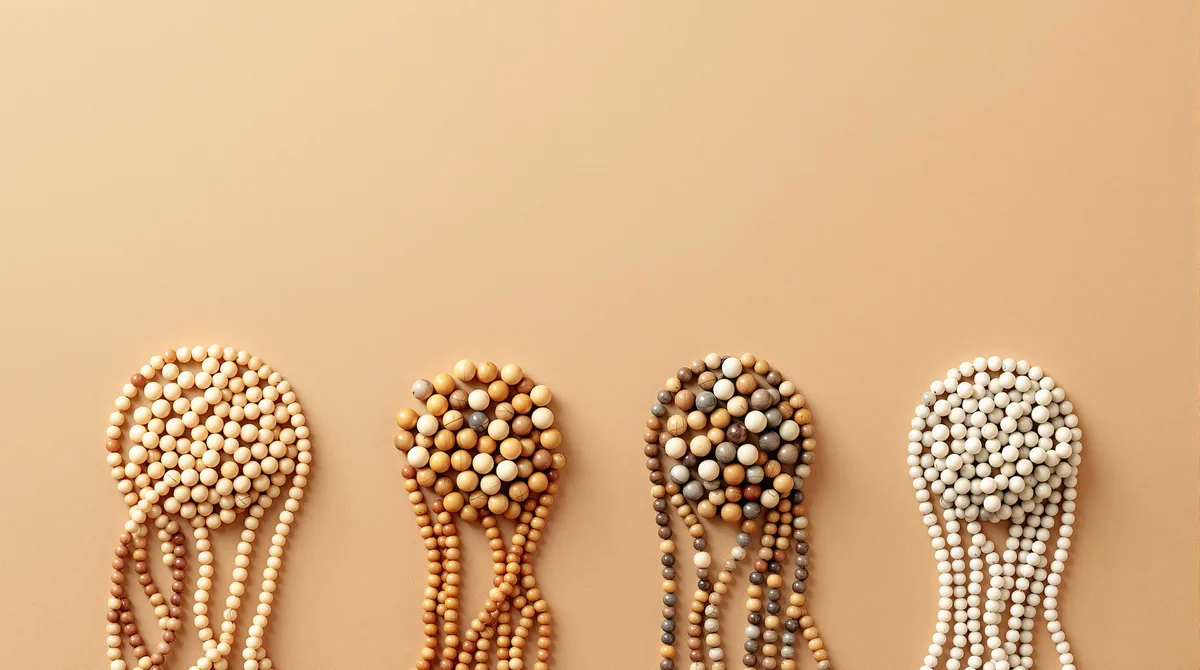
Process
Drilling wood beads
Turning, drilling on centre, staining and lacquering in our own wood factory — and why an off-centre hole is the defect no finish can hide.
See the detail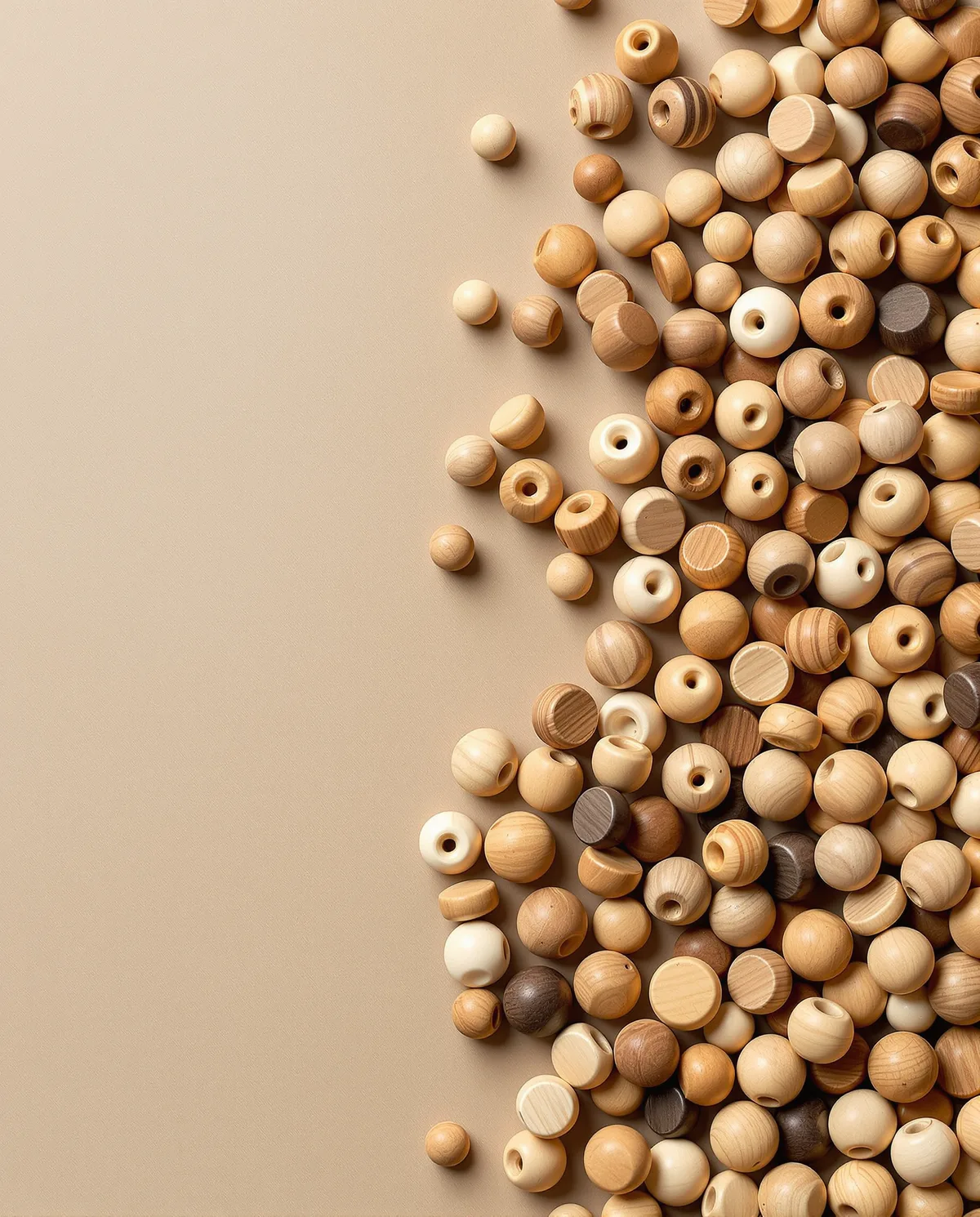
Material · Wood
Wood is the one bead material where the raw stock argues back. Two beads from the same billet take stain differently, and the specification approves a tone range rather than pretending there is none.
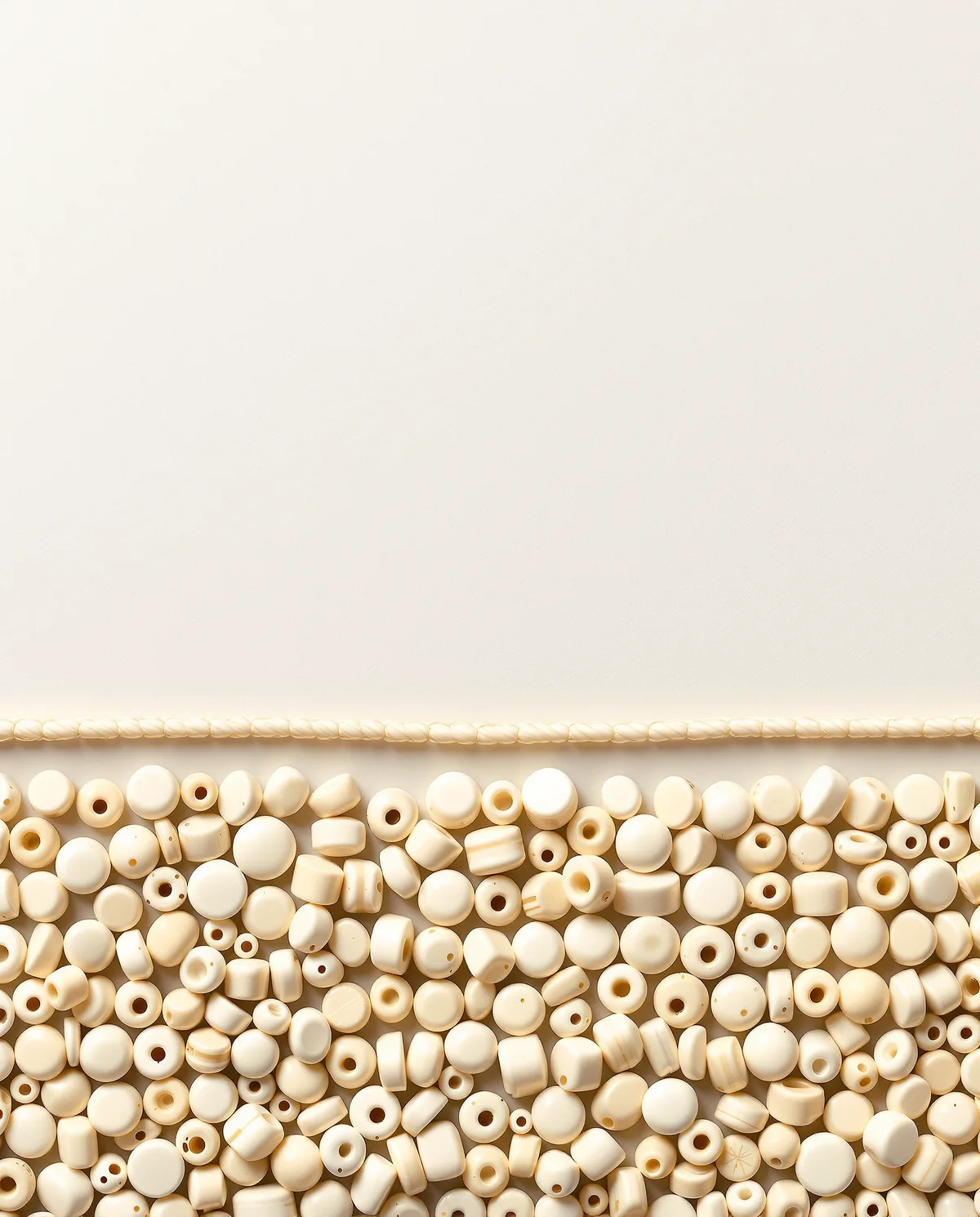
Turned wood beads in natural and stained finishes, rounds from ten to twenty millimetres and flat discs, the end grain open around each drilled hole.
Wooden beads are turned from solid timber, drilled through on centre and then stained, waxed or lacquered. They are turned in our own Saharanpur wood factory, which also turns the dowels beaded curtains hang from. Grain varies between beads, so a wood specification approves a tone range on the sample rather than naming one colour.
A wooden bead is a profile turned from solid timber on a lathe and then drilled through. Everything that distinguishes it from every other bead material follows from the fact that the stock is not homogeneous: it has grain running one way, denser growth rings and softer ones, and a surface that absorbs finish unevenly as a direct result.
That is not a defect. It is the material, and it is what buyers are paying for when they specify wood rather than dyed acrylic.
Turn, drill, finish. The profile is turned to the drawing. The hole is then drilled, and on a bead this is the operation that decides the piece: a hole a fraction off centre makes the bead sit crooked on the cord for the whole life of the panel, and there is no finish that hides it. The bead is then stained, waxed, lacquered, or given an opaque colour finish.
All three stages run in our own Saharanpur wood factory, whose capability list covers wood turning and carving, joinery, staining, waxing and lacquering. Turning wood beads and the dowel they hang from follows the bench in order.
Warmth and quiet. Wood is matte where glass is specular, so a wood panel reads as texture rather than as light, and it changes much less between a bright room and a dull one. It also sounds different: a soft knock instead of a glass chime or an acrylic click, which matters more in a doorway than any photograph suggests.
And it is light. For the same volume, wood is roughly a third of glass, which makes it the cheapest common bead material to ship.
Generous, and forgiving. Wood takes a larger hole relative to its diameter than glass will, because the material tolerates a thin wall without becoming fragile, and that is useful on a mixed build where a heavier cord is wanted for the hand of the panel.
It does not, however, change the rule. Cord is still chosen from the smallest drill hole in the whole build, and on a mixed wood-and-glass panel that is almost always a glass seed bead on the base strand. The relationships between diameter, hole and cord are on the stringing specifications sheet.
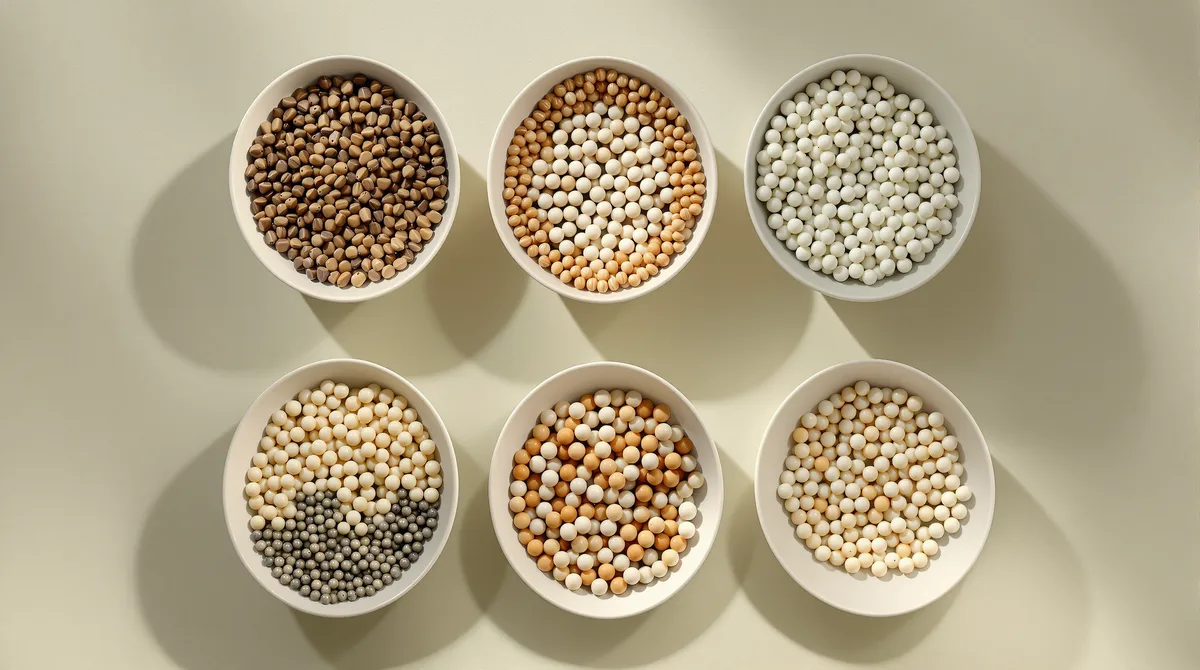
Dimensionally, very: turning is a tooled operation and the profile holds. Tonally, not at all in the sense buyers mean. Natural grain varies, so the correct mechanism is to approve a tone range on the sample and hold production inside that range, which is what our own wood specifications do.
If a programme genuinely cannot carry tone variation, there are two routes: an opaque colour finish, which makes the bead a coloured object rather than a wooden one, or a different material. Promising invariant natural wood is the one answer that will fail at inspection.
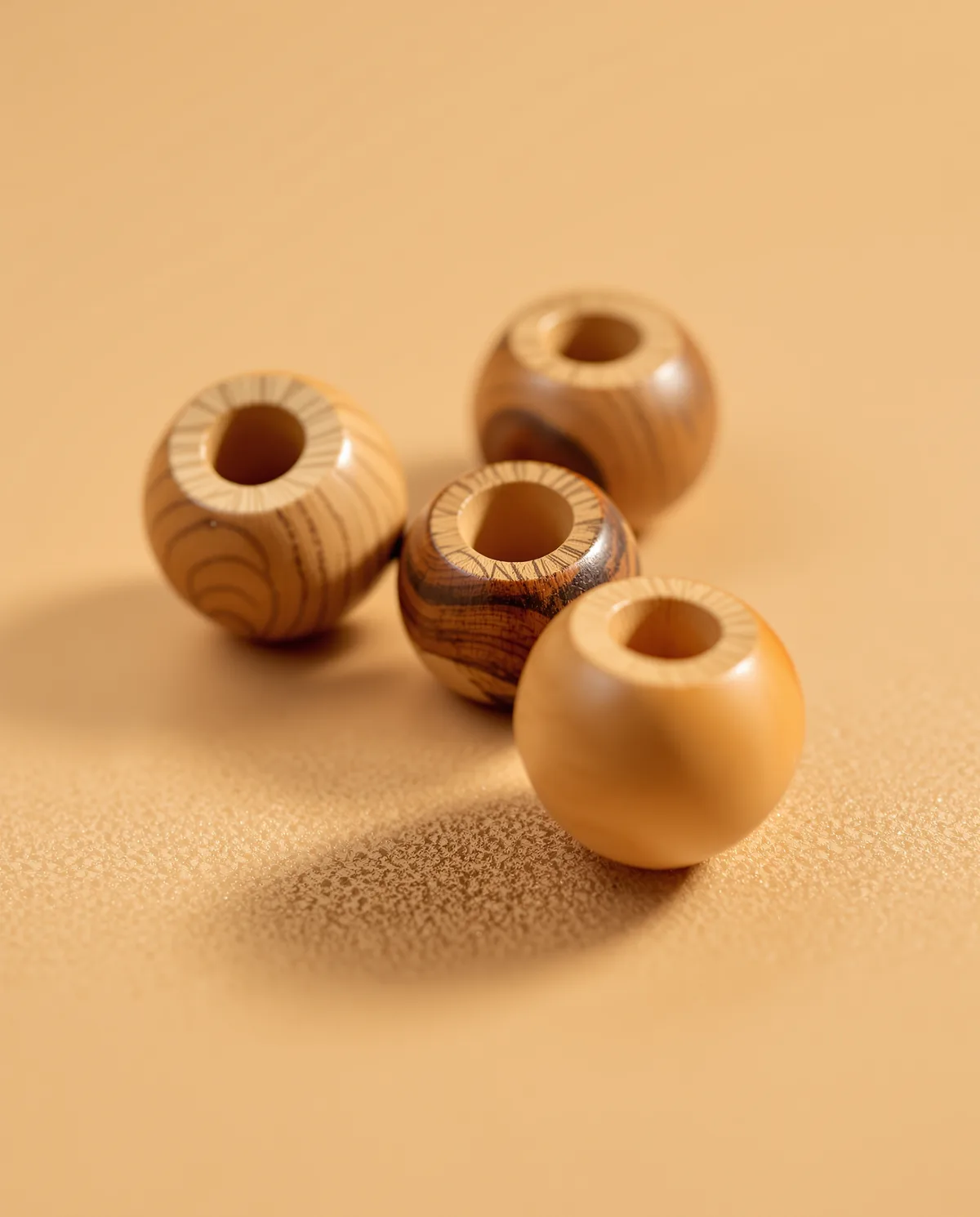
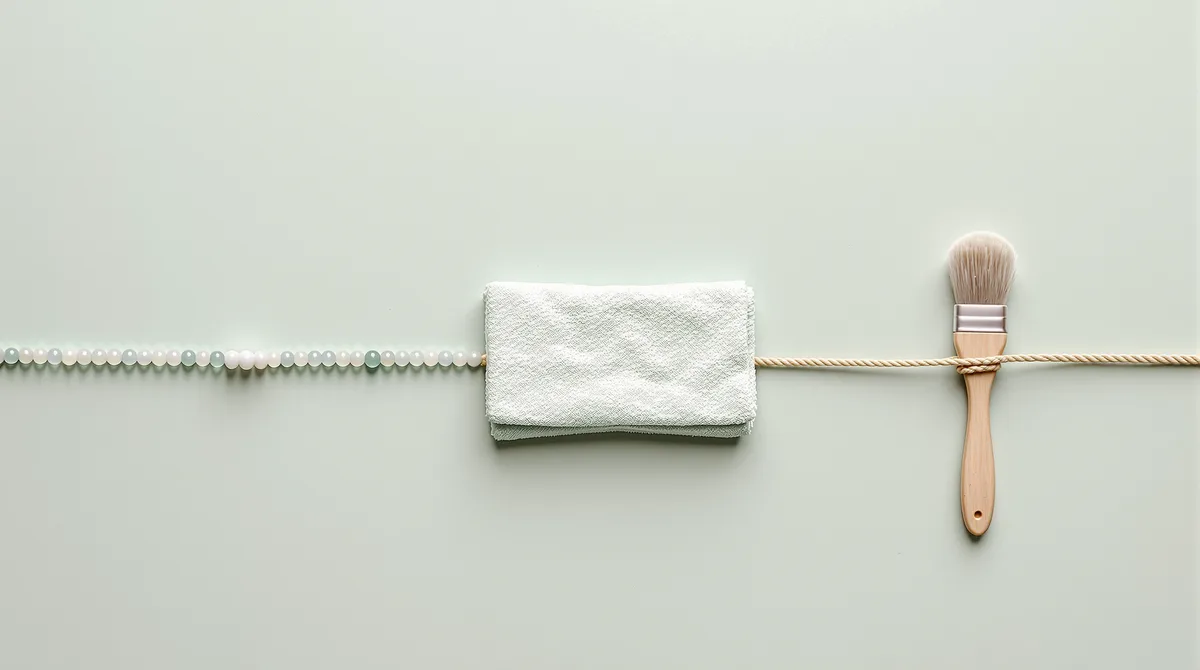
Not by breaking — wood beads rarely break. They fail at the finish and at the hole. Constant damp or steam raises grain and lifts lacquer, which is why a wood panel is wrong for a bathroom and why routine care is dry dusting rather than washing. An off-centre hole makes a crooked bead. And a long run of light wood beads on fine cord will drift, because there is not enough mass to pull the strand down.
The design answers are a drier location, drilling tolerance written into the specification, and weight at the hem — a larger bead, a few glass beads low on the strand, or a heavier end bead.
Per bead, comparable with acrylic and well below glass. On freight, the cheapest thing in the library. Where wood costs more than expected is colour: an opaque finish is an extra operation on every bead, and a close tone match across a large order means sorting, which is labour rather than material.
The useful comparison is against dyed acrylic. If the brief is an earthy palette and the texture matters, wood wins. If the brief is an exact colour across a wide colourway set, acrylic wins and wood will fight you the whole way.
It suits doorway curtains and portals, strung wall hangings, and natural or boho colour stories. In our own record the neutral portal construction is built on wood-tone discs, ovals and amber flecks on an ivory base strand, hung from a stained wooden header rail — bead and rail from the same plant.
It does not suit embroidery, because wood beads are not made small enough to behave as a field, and it does not suit anything damp. It is also a poor choice where a buyer wants the optical depth of glass, which no wood finish imitates.
Shape and nominal dimensions. Hole diameter. Finish route, named explicitly: stain, wax, lacquer or opaque colour. The approved tone range, with a pointer to the retained sample. And the species or tone family, so a repeat order starts from the same stock character rather than from a colour word.
The tone range is the entry that gets left out, and it is the one that decides whether a shipment can be accepted.
To the lathe. Wood beads are turned, drilled and finished in a plant we own, and so are the dowels and header rails the finished curtains hang from. Timber for our wood lines carries Forest Stewardship Council certification, with chain of custody intact. Factories we own, not vendors we book.
One related material deserves a clear line rather than a blur: bamboo is offered alongside wood and confirmed per design. Wood itself is turned in our own Saharanpur factory.
That two wood beads match. That a wood panel can be washed: it can be dusted and wiped dry, and care and cleaning sets out the sequence. That wood is outdoor-capable — it marks in rain and constant damp. And that a wood bead can be dyed to match a reference bead. Dyed to match is a mechanism for dyeable substrates; on wood the equivalent is a tone range and an opaque finish.
| Specification | Working value | Why it matters |
|---|---|---|
| Production method | Turned from solid timber, drilled on centre, then finished | Turning sets the profile; drilling decides whether it hangs straight |
| Finish routes | Stain, wax, lacquer, or an opaque colour finish | Stain shows grain; an opaque finish hides it |
| Colour latitude | Natural tone range, or a colour finish; tone range approved on sample | Wood cannot be dyed to a reference the way acrylic can |
| Weight behaviour | A 10 mm wood round works out near 0.4–0.5 g, about 45 g per hundred | Arithmetic from nominal density; the lightest common bead material |
| Sound | A soft knock rather than a chime or a click | Audible in a doorway, and buyers notice it late |
| Durability | Rarely breaks; dislikes damp and constant steam | A different failure mode from glass, not a lesser one |
| Related component | Curtain dowels and header rails, turned in the same plant | One plant, one finish standard across bead and dowel |
| Made where | Turned, drilled and finished in our own Saharanpur wood factory | Timber for our wood lines carries Forest Stewardship Council certification |
Good to know
Either the natural tone range of the timber, shown up by a stain and a wax or lacquer, or an opaque colour finish that covers the grain entirely. What wood cannot do is take a dye to an exact reference the way dyed acrylic can — the substrate is not uniform, so the finish lands differently bead to bead.
It is drilled to the build and confirmed on the stringing sheet rather than published as a range. Wood takes a generous hole comfortably because the material is forgiving, but the cord is still chosen from the smallest hole anywhere in the panel.
No, and nothing on this page says otherwise. Natural grain varies, so we approve the tone range on the sample and hold production to that sample. A programme that needs identical colour from run to run should use an opaque finish or a different material.
Roughly a third. A ten-millimetre round works out near 0.4 to 0.5 g in most woods against about 1.2 g in glass — arithmetic from nominal densities, not weighed. That makes wood the cheapest common bead to freight and the hardest to make hang straight.
Doorway curtains and portals, strung wall hangings, and any natural or earthy colour story. Wood is also the usual partner for a mixed strand, where a few glass beads add colour and weight to an otherwise light build.
Shape and nominal dimensions, the hole diameter, the finish route — stain, wax, lacquer or opaque colour — and the approved tone range with a reference to the retained sample. Without the tone range an inspector has nothing to accept or reject against.
Yes. Wood beads are turned, drilled and finished in our own Saharanpur wood factory, which is the same plant that turns the dowels and header rails our beaded curtains hang from. Timber for our wood lines carries Forest Stewardship Council certification, with chain of custody intact.
Keep exploring
Process
Turning, drilling on centre, staining and lacquering in our own wood factory — and why an off-centre hole is the defect no finish can hide.
See the detailMaterial
Cut, drilled and finished to specification in our own beadwork studios: dense quiet surfaces, natural markings, and the tone range a brief has to allow.
Specs and sizesMaterial
How seed beads are drawn, why dye lots are quoted per run, what the drill hole limits, and where seed-bead work earns its cost.
Specs and sizesGuide
Dry dusting first, spot cleaning the beads, keeping the cord dry, what never to use, and how to handle a broken strand.
See the detailReference
Nine material families, what each gives in light, weight and colour, and how far our own manufacturing reaches into every one of them.
Read the guide
Start a conversation
Send a reference, a colour chip or a sketch. Minimums are set per design and confirmed per quote; sampling is quoted separately and usually runs 16 to 20 days from an agreed brief.