Technique
How a panel is strung
The bead map, the cord, thirty strands on a dowel, hem shapes, suspension loops — and the three levers that move the cost.
Read the guide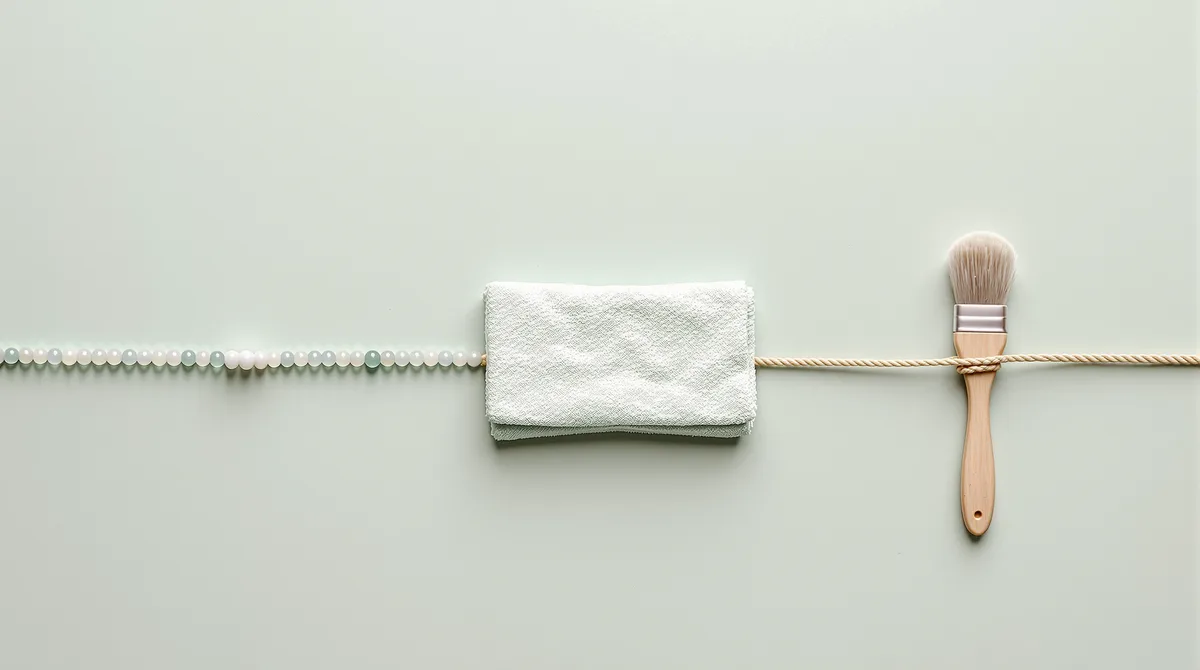
Guide · Care
Almost every beaded panel that fails early fails at the cord, not at the beads. The whole of good practice follows from that one fact.
A hand-strung bead strand with one bead slid aside to expose the braided stringing cord, laid beside a dry lint-free cloth and a soft natural-bristle brush.
Dust a hanging beaded curtain dry first, drawing a soft brush down each strand from the header to the hem. Then spot-clean the beads with a barely damp cloth and dry them straight away. Keep the cord and any cotton header out of the water: wet cord is what slackens, discolours and eventually fails.
Four steps, always in this order, and the order is the whole method.
A soft brush or a dry microfibre cloth drawn down each strand from the header to the hem.
A cloth wrung until it is barely moist, on the beads only.
Dry immediately, in the same pass, with a second dry cloth.
Never immerse a complete panel. No solvents, no bleach, no abrasive cream, no steam, no hot water, no washing machine, no bathtub, no pressure washer, no steam cleaner.
Do it in that sequence and the cord stays dry throughout, which is the only thing that really matters.
A strung panel is thirty lengths of cord doing structural work, carrying several thousand glass beads — a dense panel can hold about 11,800 on our 2027 design-render basis, as hand-strung strands sets out. The glass is close to indestructible in domestic use. The cord is not.
Wet cotton cord slackens, discolours, holds dust and abrades against the drill hole of every bead it passes through. A panel that has been washed looks fine for a fortnight and then starts dropping strands, and the owner blames the beads.
So the rule behind every instruction below is simply keep the cord dry.
| Component | Dry clean | Damp cloth | Immersion | Notes |
|---|---|---|---|---|
| Glass beads | Yes | Yes | No | Body-coloured glass is the most tolerant part of the panel |
| Frosted or sea-glass beads | Yes | Lightly | No | The frosted surface polishes up if rubbed hard |
| Surface-dyed beads | Yes | Lightly | No | Dye is a surface property; solvents will lift it |
| Acrylic beads | Yes | Yes | Off the dowel only | Lukewarm water and mild soap; softens with heat long before glass does |
| Wood beads and dowel | Yes | Barely damp | No | Water raises the grain and can lift a lacquer |
| Bamboo beads | Yes | Barely damp | No | As wood; keep dry and out of the rain |
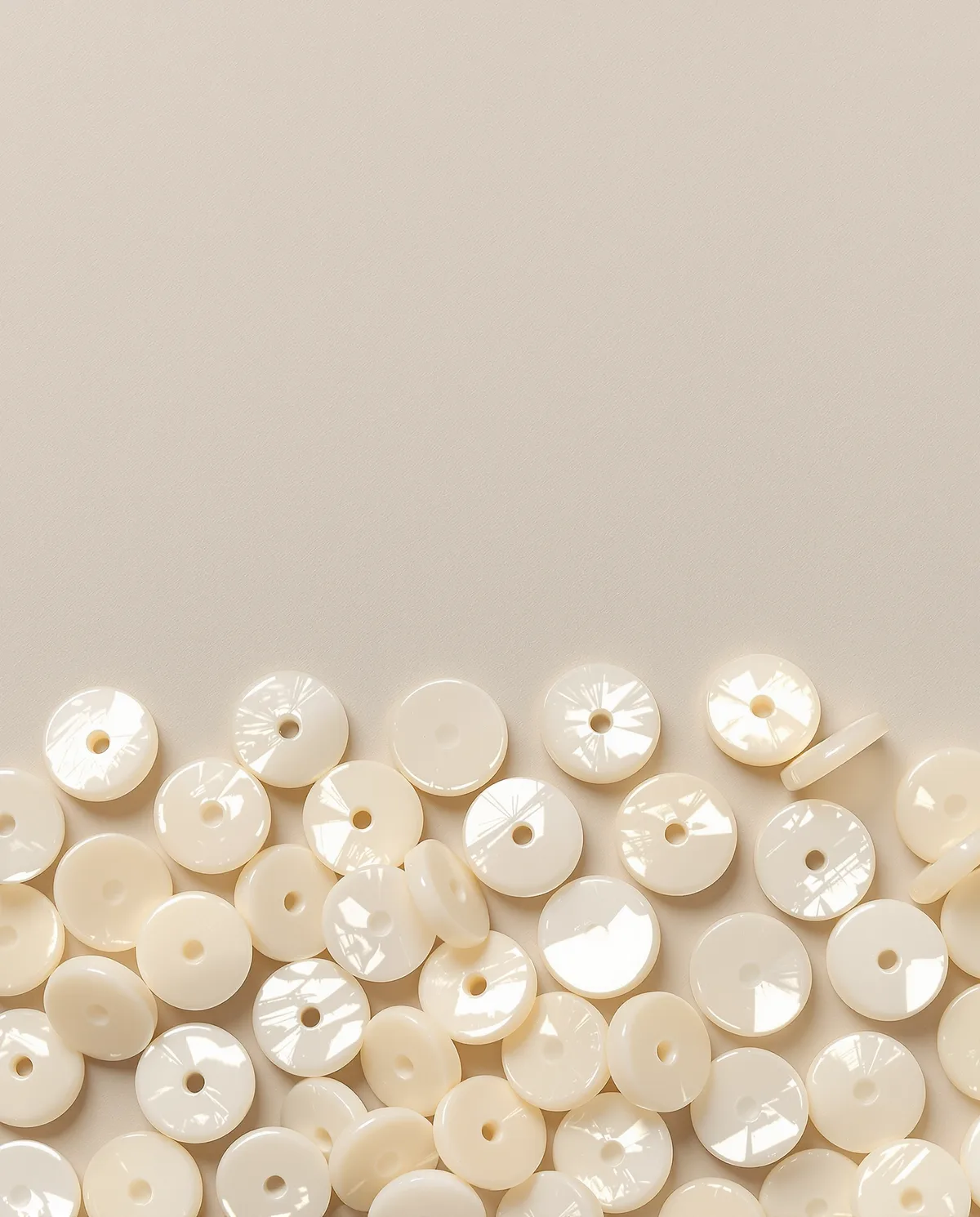
| Faux capiz discs | Yes | Lightly | No | Cut edges and pearlised surfaces mark easily; abrasives dull them |
| Cotton cord | Yes | Avoid | No | The failure point of the whole panel when wet |
| Cotton header and rod pocket | Yes | Avoid | No | Shrinks unevenly and marks; keep it dry |
| Fire rating | Tested per build | — | — | Tested on the specified build and quoted with the project |
Monthly dry dusting is enough in a normal room. In a kitchen, a bar or a smoking area, fortnightly — airborne grease is what turns loose dust into a film that needs damp work, and the film is much harder to remove than the dust was.
Damp work should be rare: twice a year on a domestic panel, more in a commercial interior. Every damp pass puts moisture near the cord, so the aim is to dust often enough that you never need to wipe.
Panels built on glass seed beads hold less dust than large-bead panels, simply because there is less flat surface facing upwards. A size-graded panel such as the honey ombre colour story collects most of its dust on the largest beads at the hem, so start there.
No solvents. No bleach. No abrasive cream. No steam. No hot water. No washing machine, no bathtub, no pressure washer, no steam cleaner.
Solvents lift surface dye immediately, including any bead dyed to match another in the build. Abrasives dull a pearlised or frosted surface permanently. Steam and hot water are the worst of all, because they put water into the cord and heat into acrylic at the same time — acrylic softens well below the point at which glass would notice anything.
Lightly, and in one direction.
Frosted and sea-glass beads are matte because the surface is textured. Rubbing hard polishes it into gloss, and that cannot be undone — the bead is not dirty afterwards, it is a different bead. Draw the cloth along the strand rather than working at a single bead.
Surface-dyed beads are the same principle applied to colour. The dye is a coating, so pressure and solvent both remove it. Pressed glass with body colour is the most tolerant surface in the whole category and can be wiped firmly; if you are unsure which you have, treat every bead as though it were dyed.
Keep both completely dry.
A dowel is turned timber, usually stained or lacquered, and water raises the grain and can lift the finish. Dust it with a dry cloth. If acrylic strands are being washed, take them off the dowel first or support the dowel clear of the water.
A cotton header band or a three-inch rod pocket is a textile and behaves like one: it marks, it shrinks unevenly, and it wicks water straight into the strand knots above every bead. Brush it dry, and if it is genuinely soiled, spot-clean the fabric with a barely damp cloth and dry it with a hairdryer on cold rather than letting it sit wet.
Dry work only, on the finished piece. First-article and lot AQL inspection happens at our quality-control and packaging house in Greater Noida, and a panel is checked against its approved sample for bead order, strand length, header fixing and finish. Network product issue rates run at a fraction of a percent.
Nothing is washed at that stage, and that is the clearest practical signal about these builds: the factory that made the panel does not put water on it either. Strands are kept in order and protected against knocking in transit, then packed to the carton and label specification given to us.
Ask for spare beads on the packing specification and keep them, because this is what they are for.
A strand that has parted is re-strung onto new cord in bead-map order and re-knotted at the header, which is a repair rather than a replacement. Finish the new end with a crimp or the original stopper bead rather than a knot alone — a slipped knot empties the strand onto the floor.
If the spares are long gone, send us a photograph of the strand and the header. The construction is documented, so matching beads is usually possible. The stringing specifications list the dimensions a re-string has to match, bead by bead.
Take it down by the dowel, never by the strands. Lifting a panel by its strands is the single most common cause of tangling.
Gather the strands into a few loose bundles and tie each bundle loosely at two or three points with soft ribbon. Then either lay the panel flat or roll it around a cardboard tube, with the dowel along the axis. Store dry, out of direct sun, and never compressed into a bag — compression is what sets a tangle.
When it goes back up, hang it first and then remove the ties one at a time from the top down. Give it a day; strands settle as they hang.
Five lines, in this order, and resist the urge to add more.
Dust dry, downwards, from the header to the hem. Spot-clean the beads with a barely damp cloth and dry at once. Keep the cord, the dowel and any fabric header dry. Do not immerse, machine wash or steam. Keep away from open flames and heat sources.
A short care card in the pack saves returns, and we can include a buyer's own care text in the packing alongside labels and cartons to the specification given. What a card should not contain is a fire rating: a classification belongs to a build rather than to a product name, so a contract specification that requires one has it tested against the actual build and quoted with the project.
Good to know
No. A strung panel has no textile structure to hold it together — the cord is doing all the work, and a drum will tangle thirty strands into one mass and abrade the cord at every bead. Even hand immersion is a bad idea on a complete panel: it soaks the cord, and the cord is the part that fails.
Dry, downwards, strand by strand. Draw a soft brush or a dry microfibre cloth from the header to the hem so dust leaves at the bottom instead of travelling along the panel. Doing it from the bottom up pushes dust into the header, which is the hardest part of the piece to clean.
Solvents, bleach, abrasive cream, steam and hot water. Surface-dyed beads lose colour to solvents, frosted and sea-glass beads polish up and lose their matte surface if rubbed, acrylic softens with heat, faux capiz dulls under an abrasive, and all of them put water into the cord.
No. Dowels are turned timber, usually stained or lacquered, and water raises the grain and can lift the finish. Keep the dowel dry even when washing acrylic strands — the standard method is to take the strands off the dowel first, or to support the dowel clear of the water.
Spot-clean only, and never immerse it. Lift crumbs with a soft brush, use a barely damp cloth on the beads and dry immediately. Soaking swells the stiffened ground, slackens the couching thread and leaves a water line on felt. Flat beadwork follows different rules from hanging work for exactly that reason.
No. A broken strand is a repair: the strand is re-strung in bead-map order and re-knotted at the header. This is why spare beads are worth specifying with the order. On a contract installation we would rather re-string a strand on site than replace the piece.
Take it down by the dowel, gather the strands into a few loose bundles and tie each loosely at two or three points with soft ribbon, then lay it flat or roll it around a cardboard tube. Store it dry and out of direct sun. Never store a panel damp, and never store it compressed in a bag.
Keep exploring
Technique
The bead map, the cord, thirty strands on a dowel, hem shapes, suspension loops — and the three levers that move the cost.
Read the guideMaterial
How seed beads are drawn, why dye lots are quoted per run, what the drill hole limits, and where seed-bead work earns its cost.
Open the referenceGuides
One guide per question that arrives often enough to be worth answering properly.
How it is madeGuide
The washing method with its temperature and soap limits, the solvent warning, and why static makes acrylic dustier.
See the detailGuide
Why abrasives dull the surface permanently, how to handle a laser-cut edge, and the method that keeps the pearlised look.
See the detailGuide
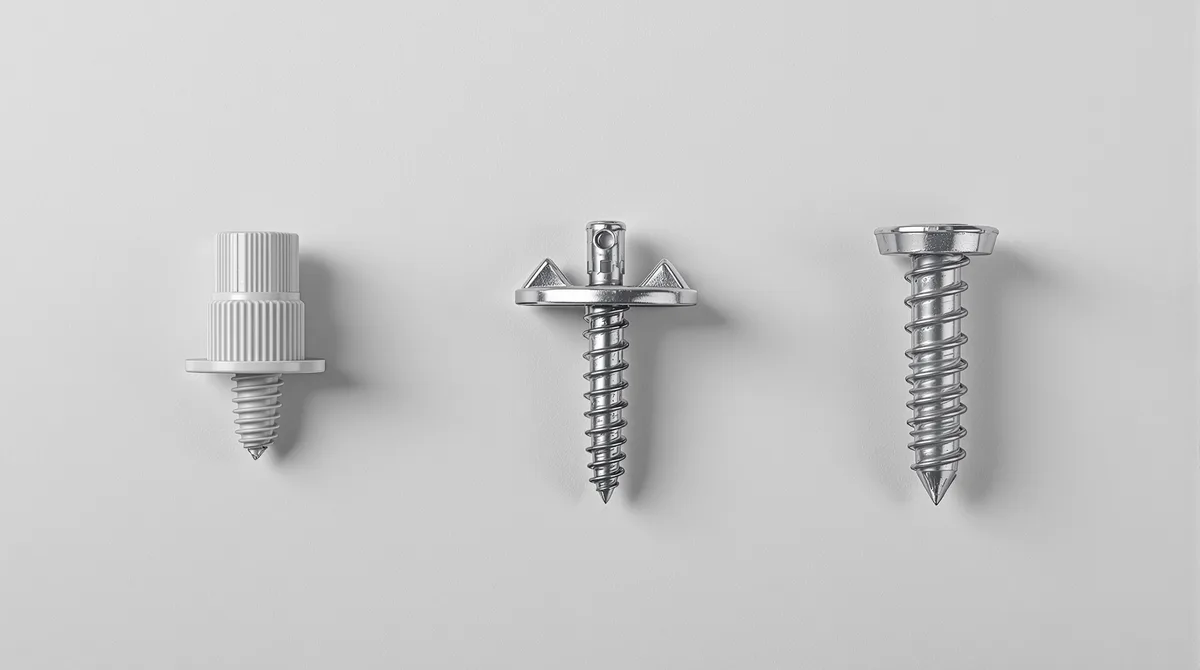
Three failure causes in order: a fixing into board with nothing behind it, hardware rated below the load, and a dowel that can leave its seat.
See the detail
Start a conversation
Send a reference, a colour chip or a sketch. Minimums are set per design and confirmed per quote; sampling is quoted separately and usually runs 16 to 20 days from an agreed brief.