Process
Bead moulding
The tool, the shot, the dye bath — and the arithmetic that decides whether a custom bead shape is worth its die.
See the detailManufacturing · Custom beads
Even a bead library this deep runs out. When a design needs a shape nobody makes, the answer is to draw it and cut a tool — and the tooling is a first-run cost that never comes back.
A custom bead shape is moulded to our own dies: the bead is drawn as a component, a steel tool is cut to that drawing, and the bead is then moulded and dyed to our colour. The tooling lands on the first run and never recurs, which is what makes a bead nobody else has a reasonable decision rather than an extravagant one.

Bead shapes that do not exist yet, made to our own tooling. The bead is drawn as a component — outline, section thickness, hole diameter and hole axis — a steel die is cut to that drawing, and the bead is then moulded and dyed to our colour.
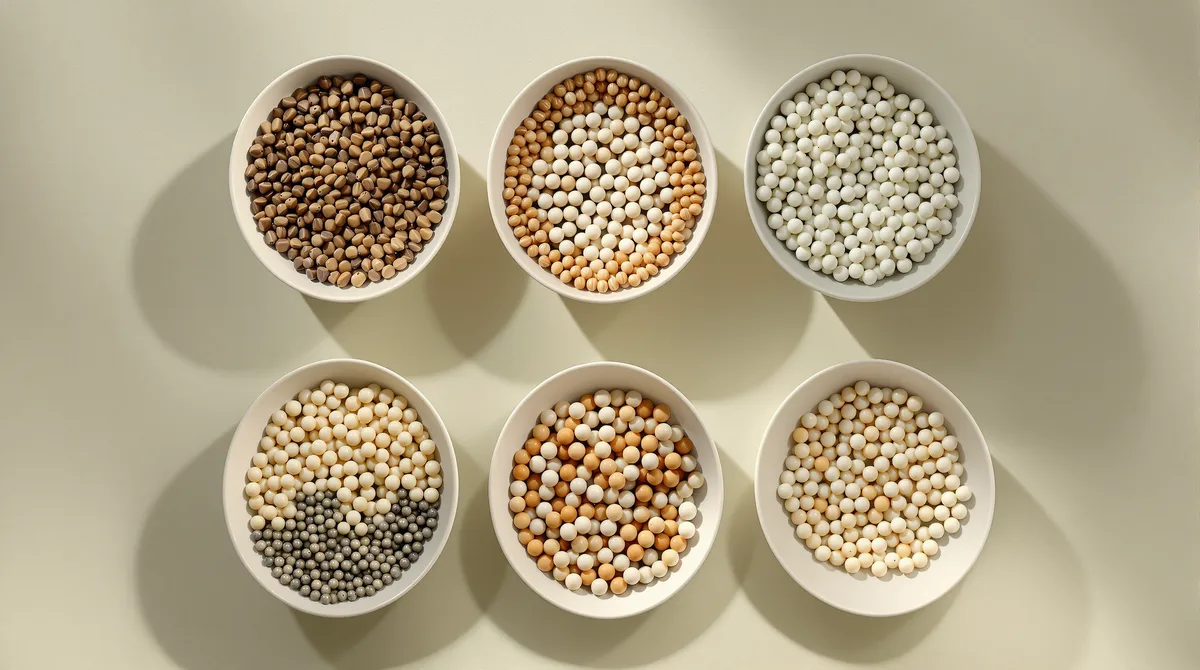
Two moulding routes cover it. Acrylic is forced into a closed tool under pressure, which gives tight tolerances and fast cycles. Resin is poured into a mould at low pressure, which fills undercuts and fine relief that pressure moulding cannot reach. Moulding a bead and cutting a new die works through the bench sequence for both.
Changeable: the shape, the dimensions, the hole diameter and axis, whether it is a standalone bead or a connector that assembles with others, and every colour in the programme — because colour is a dye bath rather than a tool.
Fixed, once the tool is cut: the shape and the size. A die makes one bead. A second size is a second tool, and that is the single most important thing to settle before cutting rather than after.
A component drawing, or a reference clear enough to make one from. Overall dimensions. Section thickness at the thinnest and thickest points. Hole diameter and hole axis. Whether the bead stands alone or assembles into a motif, and if it assembles, how many to a motif. The colour route and reference. And an agreement on where the mould split line and the gate mark may sit.
The last two are the entries nobody supplies, and both are visible on the finished bead. A split line across a seen face is a design failure that cannot be fixed after the tool exists.
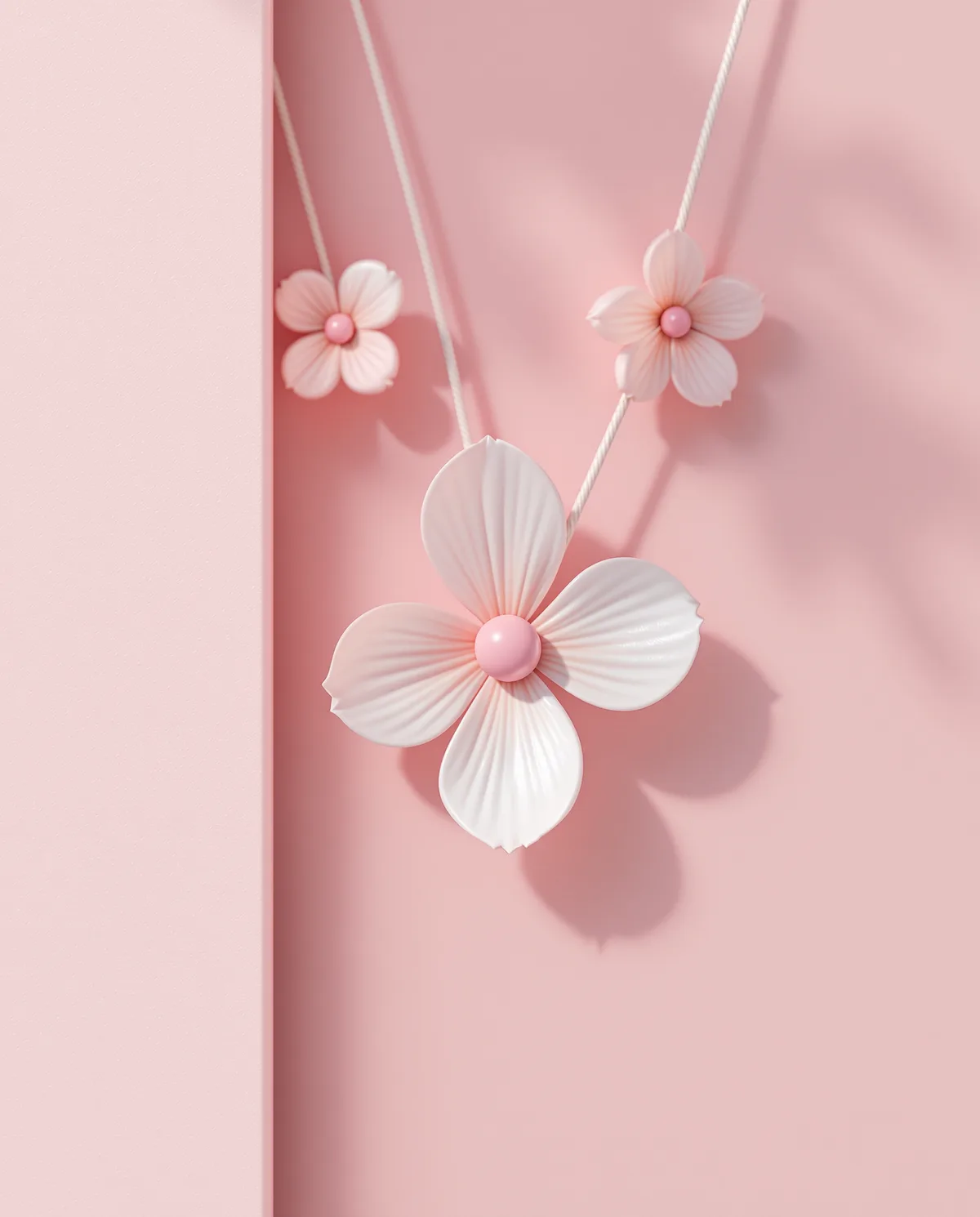
There is no standard, which is the point, so the useful reference is what we have actually made. Our own record includes a three-inch almond-shaped connector bead, moulded so that six of them assemble into a six-inch daisy, developed for a café curtain; and a custom moulded flower bead developed for a portal design, where the sizing question was settled between a 1.5 inch and a 3 inch version.
Both were acrylic, pressure-moulded, dyed to colour. On both the mould fees were absorbed by us rather than passed through.
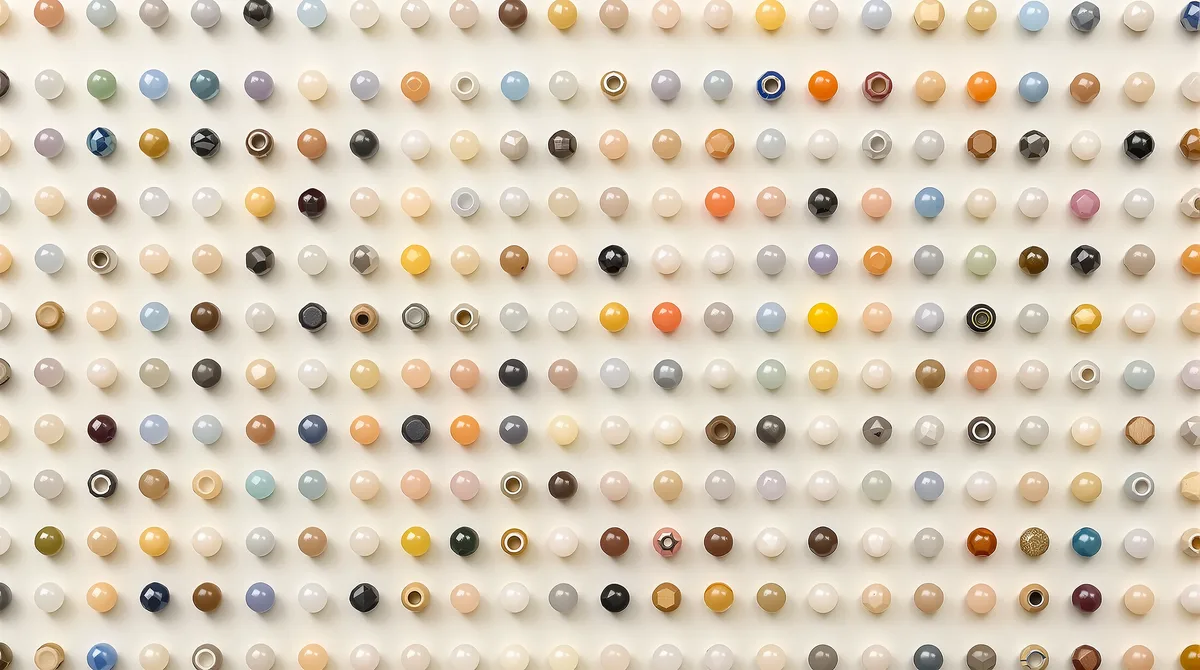
Separately from the shape, which is the structural advantage of a moulded bead. One die serves every colourway: the bead is moulded clear or in a stock colour and then dyed to a colour reference or a physical chip, with the colour confirmed on the sample.
Where a design has a feature bead whose colour cannot move — a pressed glass accent, a fired glaze — the custom bead is dyed to match it instead, which is the mechanism dyed to match exists for.
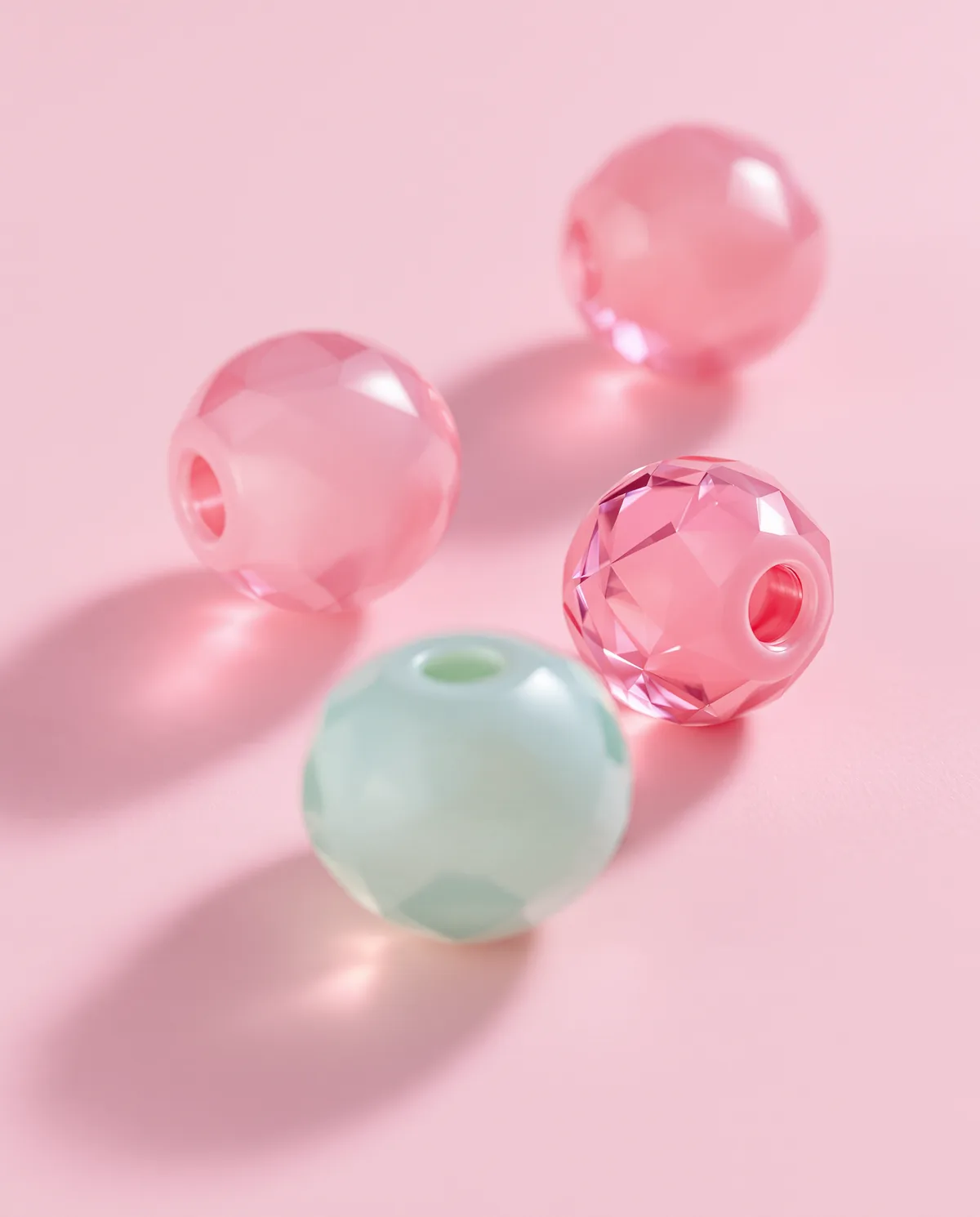
The normal loop, with a tooling stage in front of it. The bead is drawn. The split and gate are agreed. The die is cut. First shots are measured against the drawing and checked for short fill, flash and sink marks. Where a first shot misses, the tool is corrected — not the bead, because a moulded bead cannot be fixed afterwards.
Then the usual sequence: a rough cost sheet before any sample is made, colour matched, a sample at usually 16 to 20 days from an agreed brief with photographs approved before it ships, and production against the approved sample.
A portal bead went through iteration after iteration before it hit its target, and the final design used two bead sizes to get there. Custom tooling is not a one-pass process.
40 to 60 days for beaded décor after sample approval, the same as any beaded programme. Sampling is quoted separately.
Where a custom bead costs time is entirely at the front. Once the tool exists and the first shots are right, a custom bead runs like any other moulded bead and a reorder is a reorder.
To your carton, label and packaging specification, shipped to the port or warehouse you name. Inspection, assembly and kitting, and export packing and labelling run through our own Greater Noida quality and packaging house.
The die is cut to our drawing and owned by us. The bead is moulded and dyed to our colour against that die, and then strung and finished by hand in our own beadwork studios.
The limit matters here and should not be blurred. Glass we draw ourselves, in our own Firozabad glass works. Wood is turned in our own Saharanpur factory, ceramic glazed and fired in Khurja, metal finished and plated in Moradabad. Acrylic and resin are moulded and dyed to our colour, to our own dies — we own the tooling, we specify and approve the colour, and we do the finishing and assembly. For glass the making reaches further back still, to the furnace, which is why the glass route carries the firmer specification.
First-article and lot inspection through our own Greater Noida house. On a custom bead the first-article check is the one that counts: outline and section against the drawing, hole diameter and axis, and a visual pass for short shots, flash and sink marks.
A connector bead gets one extra check that a standalone bead does not — that the specified number of them actually assemble into the motif. A bead can measure correctly and still fail at the joint, and that is found by assembling six of them rather than by measuring one.
Two numbers that buyers often merge, and separating them is the most useful thing this page can do.
The bead cost is low and falls with volume, like any moulded bead. The tooling cost is a one-off that lands entirely on the first run. So the deciding question is not what a die costs but how many runs it will be spread across: a custom bead across one season carries its whole tool, and the same bead across four seasons carries a quarter of it per season and then nothing.
Retailers and brands who want a style nobody else can put on a shelf, and designers specifying a motif that no catalogue bead produces. Both are buying exclusivity of shape rather than exclusivity of colour, which is a more durable thing to own — a colour can be approximated and a tooled shape cannot.
The route in is usually a design rather than a bead. Open a design in the Design Studio, build it from what exists, and where the shape you need is not in the library, that absence is the brief.
Extractable data
| Specification | Working value |
|---|---|
| What is made | A bead shape that does not exist in the library |
| Tooling | A steel die cut to our drawing, owned by us |
| Moulding routes | Pressure moulding in acrylic; low-pressure casting in resin |
| Recorded example | A 3 in almond connector bead, six assembling into a 6 in daisy |
| Second recorded example | A custom moulded flower bead developed for a portal design |
| Colour | Dyed to a reference or a physical chip, confirmed on sample |
| Tooling cost behaviour | Lands on the first run and does not recur |
| Sampling | Usually 16–20 days from an agreed brief, quoted separately |
| Production | 40–60 days after sample approval |
| Stock | Made to order; nothing held |
Good to know
40 to 60 days for beaded décor, the same as any other beaded programme. Where a custom bead changes the timeline is before that: the die has to be cut and first shots corrected, and that sits at the front of the sample loop rather than inside production.
To your carton, label and packaging specification. On a custom bead the packing question that matters is the loose-component one: a moulded bead shipped as a component rather than strung into a panel needs a count tolerance per bag, and that is agreed with the die rather than at the end.
The die is cut to our drawing and owned by us. The bead is moulded and dyed to our colour against that die, then strung and finished by hand in our own beadwork studios. Glass, wood, ceramic and metal components in the same piece come from our own Firozabad, Saharanpur, Khurja and Moradabad plants. Our making reaches the tooling, the colour and the finishing.
No. Minimums are set per design and confirmed per quote. On a custom bead the relevant question is usually how many runs the tooling will be spread across rather than how many pieces are in the first one.
No. A custom bead exists because a design needed it, and both the bead and the piece it goes into are made to order against an approved sample.
Yes, and this is where moulded beads are strongest. The shape comes out of a tool and the colour goes on afterwards in a dye bath, so one die can serve every colourway in a programme. Colour is matched to a reference or a physical chip and confirmed on the sample.
The bead cannot — a die makes one size, and a second size is a second tool. The piece around it can. On one of our own portal developments two bead sizes were used in the final design specifically to reach the cost target, which is a resize of the design rather than of the bead.
Keep exploring
Process
The tool, the shot, the dye bath — and the arithmetic that decides whether a custom bead shape is worth its die.
See the detailMaterial
Moulded to our dies and dyed to the reference: the widest colour latitude in the library, half the weight of glass, and no shatter risk.
Read moreMaterial
Poured, not pressed: why casting makes figural shapes possible, how colour goes through the body, and what the mould line costs you.
See the detailReference
Nine material families, what each gives in light, weight and colour, and how far our own manufacturing reaches into every one of them.
View the rangePillar
A live app holding the full bead library and the Gemixx 2027 collections: build a design, render it in about a minute, take it to tech pack and costing.
Read the guide
Start a conversation
Send a reference, a colour chip or a sketch. Minimums are set per design and confirmed per quote; sampling is quoted separately and usually runs 16 to 20 days from an agreed brief.