Many restaurants, retailers, and home brands default to one all-purpose glass for everything. That shortcut works, until a mismatched glass mutes a cocktail's aroma, lets a cold drink go flat faster, or just looks wrong on a set table.
This guide breaks down 9 common types of drinking glasses, what separates one from another, and how to choose (or source) the right mix for a menu, storefront, or private-label product line.
Key Takeaways
- Glasses are grouped by shape, capacity, and beverage type, not a single universal standard
- 9 types: water/cooler, juice, rocks, highball, tumbler, goblet, wine, mixing glass, and pitcher/carafe
- Capacity spans roughly 3 oz for juice glasses to 20+ oz for coolers and pitchers
- Right-sizing depends on your drink menu, service volume, material needs, and budget
- Most operations only need 3-5 versatile glass styles to cover nearly every use case
What Are Drinking Glasses and Why the Right Type Matters
Drinking glasses are vessels built to hold and serve beverages, ranging from a basic tumbler to delicate stemware. The differences aren't cosmetic. Bowl width, stem height, and base weight are engineered choices that change how a drink performs in the glass.
Shape genuinely affects aroma. A 2015 Scientific American report on wine glass geometry found that at 13°C (55°F), glass shape controlled where wine vapor concentrated, producing a measurably different aroma pattern depending on bowl geometry.
Stem height keeps body heat away from the liquid, while a heavier base adds tabletop stability where it's needed most.
You'll find these glasses everywhere: restaurants, hotels, cafeterias, catering operations, and retail drinkware lines. Get the type wrong and the problems show up fast:
- Drinks warm faster when hands wrap around a bowl meant to have a stem
- Carbonation fades quicker in the wrong glass shape
- Aromas stay muted in a glass with too narrow or too wide an opening
- Thin glass breaks more often in high-volume bar or cafeteria settings
- A mismatched glass can undercut an otherwise well-set table
For hospitality operators and retailers building a drinkware assortment, glass selection is a sourcing decision that affects breakage rates, service consistency, and guest experience.
Types of Drinking Glasses
These 9 types cover most everyday and specialty beverage needs. Many overlap in function, so don't feel pressure to stock every single one.
Water & Cooler Glasses
Tall, straight-sided glasses built for water and other cold everyday drinks, typically running 10-20 oz. They're the default glass for tabletop water service in both casual diners and fine dining rooms.
Their simple, durable shape makes them a safe first purchase for a new restaurant or a private-label retail line just getting started. No specialty knowledge required, just reliable capacity and a shape that stacks and stores easily.
Juice Glasses
Smaller glasses, generally 3-7 oz and under 5 inches tall, designed for fresh juice and common at breakfast service. Compare that to a rocks glass: juice glasses are lighter and narrower, built to show off bright juice color rather than hold ice or spirits.
Restaurants often choose these as much for tabletop presentation as function. A short glass of fresh orange juice simply looks better in a vessel sized to match the pour.
Rocks (Lowball) Glasses
Short glasses with a wide, sturdy base. Single pours typically land around 8-11 oz, while double old-fashioned versions run 12-15 oz. They're built for spirits, neat pours, and muddled cocktails.
The height-to-width ratio is the giveaway versus a highball: rocks glasses are short and wide, highballs are tall and narrow. That wide, heavy base isn't decorative. It supports muddling fruit or herbs and holds large-format ice cubes without tipping, making rocks glasses a bar staple well beyond just cocktails.
Highball Glasses
Tall, narrow tumblers built for mixed drinks with a higher mixer-to-alcohol ratio, commonly 6-11 oz. They're often used interchangeably with Collins glasses.
The narrower opening limits how much alcohol aroma escapes, while the taller body holds more ice and keeps a drink cold longer. That versatility makes highballs essential for gin and tonics, mojitos, and other "long" drinks poured over ice.
Tumblers
Flat-bottomed, stem-free glasses used for water, soda, and general beverages. This is the widest capacity range of any type, from 5 oz up to 32 oz, according to Cambro's beverage service catalogs for break-resistant polycarbonate lines used in institutional settings.
Construction is where tumblers really flex. Cafeterias, healthcare settings, and other high-volume institutions often lean on break-resistant plastic versions, while casual dining rooms typically stock glass tumblers for cost and durability. Either way, tumblers are the most commonly stocked drinkware in casual foodservice.
Goblets
Glasses with a wide bowl set atop a short stem, often used for water or iced tea at banquets and upscale service. Compared to a wine glass or tulip glass, a goblet is built sturdier and less delicate, meant for everyday elegant service rather than aroma enhancement.
One practical note: goblets tend to run taller than standard tumblers. Check dishwasher rack clearance before placing a bulk order, especially in commercial kitchens with fixed rack heights.
Wine Glasses
Stemware built specifically to concentrate and release wine aromas. Red wine glasses use wider bowls and openings, while white wine glasses use narrower openings that limit oxidation, a distinction Wine Spectator's glassware guide confirms across standard red and white glass designs.
Stemmed versus stemless is a separate choice. Stemless glasses lower the center of gravity, which helps durability in casual settings, while a stem keeps hand warmth away from the bowl. Flute-style stemware serves sparkling wine specifically, trapping bubbles and aroma in a tall, narrow shape with minimal surface area exposed to air.
Mixing Glasses
Sturdy, tapered glasses bartenders use to stir cocktail ingredients with ice before straining, generally sized around a pint (roughly 16-17 oz, the standard capacity for bar mixing glasses).
Stirring, rather than shaking, gives a bartender more control over dilution and texture, which matters for spirit-forward cocktails like a Manhattan. Many bars also use these as an all-purpose beverage glass thanks to their simple, versatile shape.
Pitchers & Carafes
Larger vessels used to serve or refill multiple glasses at once, common for water, juice, or wine service. Both reduce staff trips to the table for refills; the clearest practical difference is usually the handle on a pitcher versus the handle-free design of most carafes.
Material matters too: glass carafes suit upscale dining rooms, while durable acrylic or stainless pitchers hold up better in high-volume settings like banquet halls and self-serve buffets.
How to Choose the Right Type of Drinking Glass
The right choice depends on your drink menu, service volume, and setting, not whatever looks trendiest online. Work through these factors before placing a bulk order:
- Drink menu variety: Cocktail bars need rocks, highball, and mixing glasses; wine-focused restaurants need stemware; diners can rely on tumblers and water glasses
- Expected volume: High-turnover casual dining calls for durable, stackable glass; low-volume fine dining can support delicate stemware
- Material durability: Glass wins on presentation and aroma; tempered glass or break-resistant tumblers suit high-breakage environments like cafeterias
- Budget and replacement cost: Factor in breakage rates over time, not just the upfront unit price
- Storage compatibility: Tall stemware and goblets need dishwasher rack clearance; confirm before bulk ordering
- Long-term flexibility: Favor 3-5 versatile glass types over stocking every specialty style
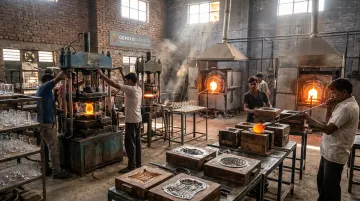
For retailers, wholesalers, and hospitality brands sourcing custom or private-label drinkware at scale, partnering with an established manufacturer can simplify this whole process. Gemixx Exports runs its own glass factory in Firozabad, India, producing both soda-lime and borosilicate glassware using hand-blown and pressed methods, with custom mold development available from a sketch, render, or competitor sample.
Production typically runs 40-60 days after sample approval, with Gemixx handling everything from prototyping through DDP delivery to a US warehouse, no third-party brokers involved.
Sampling is quoted separately rather than free, and minimum order quantities vary by mold type and finish. Request a formal quote before locking in a bulk drinkware program; Gemixx commits to a 48-hour turnaround.
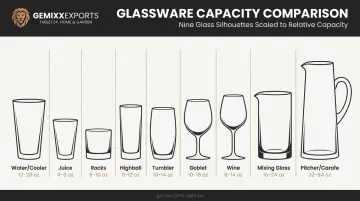
Drinking Glass Sizes at a Glance
Matching size tiers to expected pour volumes cuts down on over-pouring costs and prevents an underwhelming presentation. Here's how the 9 types generally group:
| Size Tier | Typical Capacity | Glass Types |
|---|---|---|
| Small | 3-11 oz | Juice glasses, rocks glasses |
| Medium | 6-17 oz | Highballs, tumblers, mixing glasses |
| Large | 14-20+ oz | Water/cooler glasses, goblets, pitchers, carafes |
With size tiers mapped out, request samples before committing to a bulk order wherever your supplier offers them. Many manufacturers, including Gemixx, quote sampling as a separate line item rather than providing it free, so budget for that step. Physically holding a sample confirms weight, capacity, and feel in a way spec sheets can't fully capture.
Conclusion
Drinking glasses come in this many varieties because each shape is engineered for a specific beverage, aroma profile, or service style. A rocks glass is built for spirits served neat; a goblet is designed to showcase wine.
Most operations don't need all 9 types stocked at once. A handful of versatile styles, maybe a water glass, a rocks glass, a highball, and one wine glass, covers most menus. Understanding the differences is what prevents a costly mismatch down the line.
Thoughtful glassware selection is a small investment that measurably improves guest experience and tabletop presentation. Whether you're outfitting a single restaurant or sourcing a private-label drinkware line for retail partners, Gemixx's Firozabad glass factory can hand-blow custom shapes to match your program.
Frequently Asked Questions
What are the different types of drinkware?
Drinkware spans everyday glasses (tumblers, water glasses, juice glasses), specialty bar glasses (rocks, highball, mixing), stemware (wine, goblet, flute), and serving vessels (pitchers, carafes). Each is suited to a specific beverage or service style.
What's the difference between a highball and a lowball (rocks) glass?
Highballs are tall and narrow, built for mixer-heavy drinks served over ice. Lowball or rocks glasses are short and wide, designed for spirit-forward or muddled cocktails.
Can I use the same glass for multiple types of drinks?
Yes. Tumblers and mixing glasses in particular are versatile enough for everyday interchangeable use. That said, a dedicated glass still enhances specific drinks, especially wine and cocktails.
What's the difference between a goblet and a wine glass?
Goblets have a sturdier, wider bowl, often used for water or iced tea at banquets. Wine glasses are shaped specifically to concentrate and direct wine aromas.
How do I decide what glass sizes to order for my restaurant or bar?
Base it on typical pour volumes, your drink menu variety, and expected turnover. Start with versatile medium sizes, then scale into specialty capacities as your menu grows, working with a private-label manufacturer like Gemixx to customize glassware for your venue's needs.
What material is best for commercial drinking glasses, glass or plastic?
Glass offers better presentation and aroma release for dining rooms. Tempered glass or break-resistant tumblers suit high-volume, high-breakage environments like cafeterias and outdoor venues.