What is stoneware bisque and how does it differ from finished ceramics?
Stoneware bisque refers to unglazed, once-fired stoneware pieces that have been shaped and hardened but not yet glazed or decorated. Gemixx uses this stage as the foundation for hand-decorated dinnerware, jars, pitchers, and canisters, applying reactive, matte, gloss, or wax-resist glazes afterward to create the finished retail product.
What is the minimum order quantity for wholesale stoneware products?
Minimum order quantities vary depending on the shape, print, and packaging selected. Gemixx offers scalable programs ranging from small capsule collections to high-volume wholesale orders, so buyers can start with a trial batch before committing to larger production runs. Specific MOQs are confirmed in individual quotes within 48 hours.
What is the typical production lead time for orders?
Production lead time is 60-90 days after sample approval. This timeline covers hand-decoration, glazing, firing, and quality checks at the Khurja factory before goods are shipped to the US warehouse as part of Gemixx's vertically integrated supply chain.
Can I get custom prints or private-label packaging on stoneware pieces?
Yes. Gemixx offers full private-label manufacturing with custom packaging and can develop custom prints or patterns from client artwork, sketches, samples, or reference images across dinnerware, jars, vases, trays, and bathroom sets, ensuring a coordinated brand identity across the full product range.
Are the stoneware and ceramic products food-safe and compliant?
Food-contact pieces are made for everyday use, and relevant components meet California Proposition 65 requirements. Gemixx facilities are also SEDEX member and SMETA audited, confirming ethical and compliant production practices. Specific food-contact and care details are confirmed per program in individual quotes.
What types of products are available in the stoneware range?
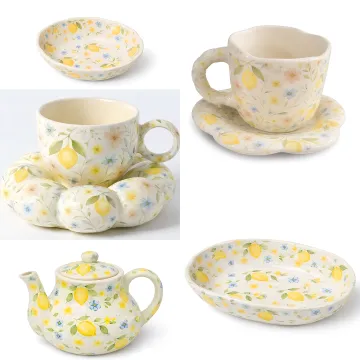
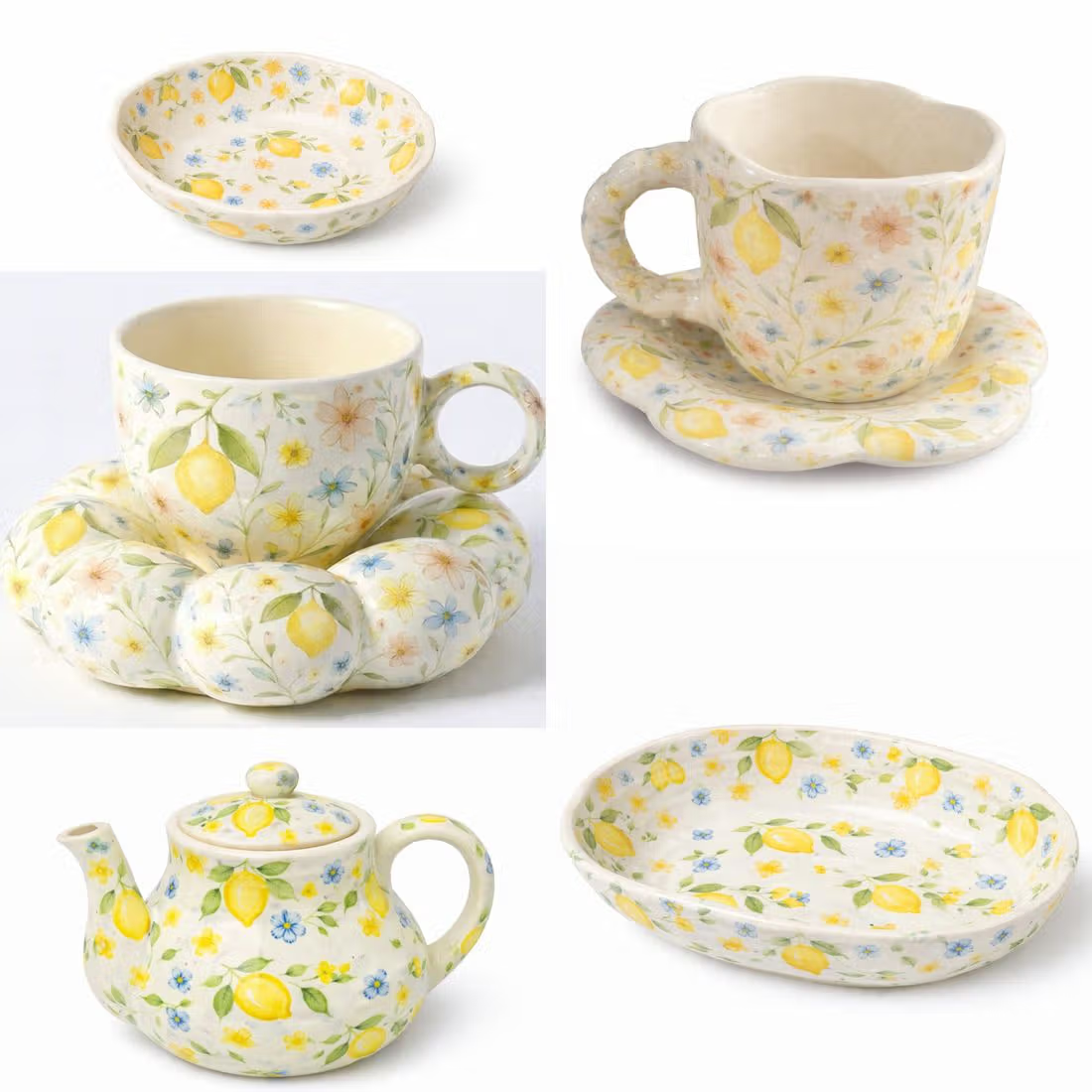
The range includes dinner sets, cups and saucers, soup bowls, ramekins, airtight and pickle jars, decorative and storage jars, flower vases, bathroom sets, decorative plates, serving trays, stoneware pitchers, mugs, jugs, and canisters, all available in coordinated seasonal prints and finishes.
How does Gemixx ensure quality control across production?
Quality control is managed by Gemixx's own team, with first articles and production lots inspected at its Noida QC unit, ensuring consistent oversight from prototype approval through final production at the Khurja factory and delivery to the US warehouse, giving wholesale buyers confidence in consistent product quality.
How is stoneware different from porcelain and earthenware for a wholesale range?
Stoneware is fired at a higher temperature than earthenware, so the body becomes dense and absorbs little water once glazed. It is heavier and more opaque than porcelain, which is fired hotter still and can be made thin, white and translucent. In a range, stoneware suits relaxed, handmade-looking dinnerware, mugs, pitchers and serving pieces with visible glaze character, while porcelain suits formal hotel and fine-dining tables. Earthenware is lighter and more porous and chips more easily, so it is usually kept for decorative pieces.
What are the downsides of stoneware for retail or hospitality?
Weight is the main one. Stoneware is heavy, which raises freight cost per case and matters for stacking and for servers carrying trays. Rims can chip if the profile is thin, so ask for a rolled or thicker rim on high-use pieces. Hand-applied and reactive glazes vary from piece to piece, which retail customers need to be told about in listings. Like most ceramics, stoneware can crack if moved straight from very cold to very hot. Care guidance varies by glaze and decoration, and Gemixx confirms it for each program in your quote.
Will reactive glazes look the same on every piece and every reorder?
No, and that is part of their appeal. Reactive glazes change color and texture with glaze thickness, kiln position and firing, so no two pieces match exactly. Agree the acceptable range before production: approve a small set of samples showing the lightest and darkest results you will accept, and keep them as the reference for later reorders. If a perfectly uniform color matters, for example for hotel table settings, choose a gloss or matte glaze instead. Gemixx inspects first articles and production lots at its Noida QC unit against the approved sample.
Do you supply unglazed stoneware bisque for paint-your-own studios?
Gemixx's stoneware program is finished ware: pieces are formed, glazed, hand-decorated and fired in our Khurja ceramics factory and sold under your label. Unglazed bisqueware sold blank to paint-your-own studios is not part of the published range. If that is what you need, say so in your brief and we will tell you whether it can be quoted. For brands, retailers and hospitality buyers who want a decorated stoneware collection, the usual route is to approve shape, glaze and decoration on samples, then run production in 60–90 days.