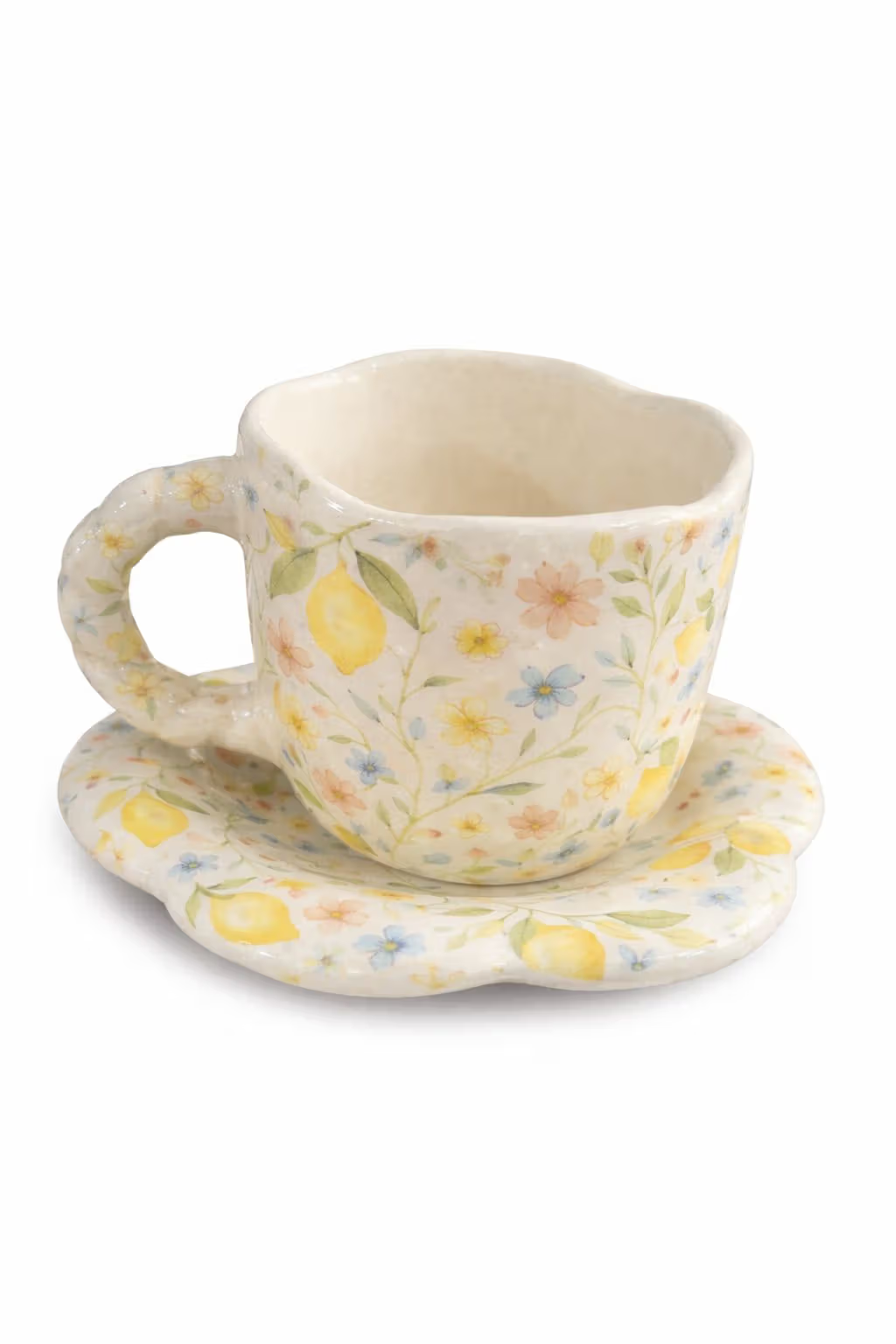
What is the minimum order quantity for wholesale ceramic dinnerware?
Minimum order quantities vary depending on the shape, print, and packaging selected, and can scale from small capsule collections to high-volume retail programs. Because pricing and MOQs are program-specific, Gemixx provides a detailed quote within 48 hours of receiving your product requirements and target volume.
What is the production lead time for custom ceramic tableware orders?
Standard production lead time is 60–90 days after sample approval. This timeline covers hand-decoration, firing, quality control, and preparation for shipment to a US warehouse as part of Gemixx's vertically integrated supply chain. Sampling timelines are quoted separately based on design complexity.
Can Gemixx create custom patterns or private label packaging?
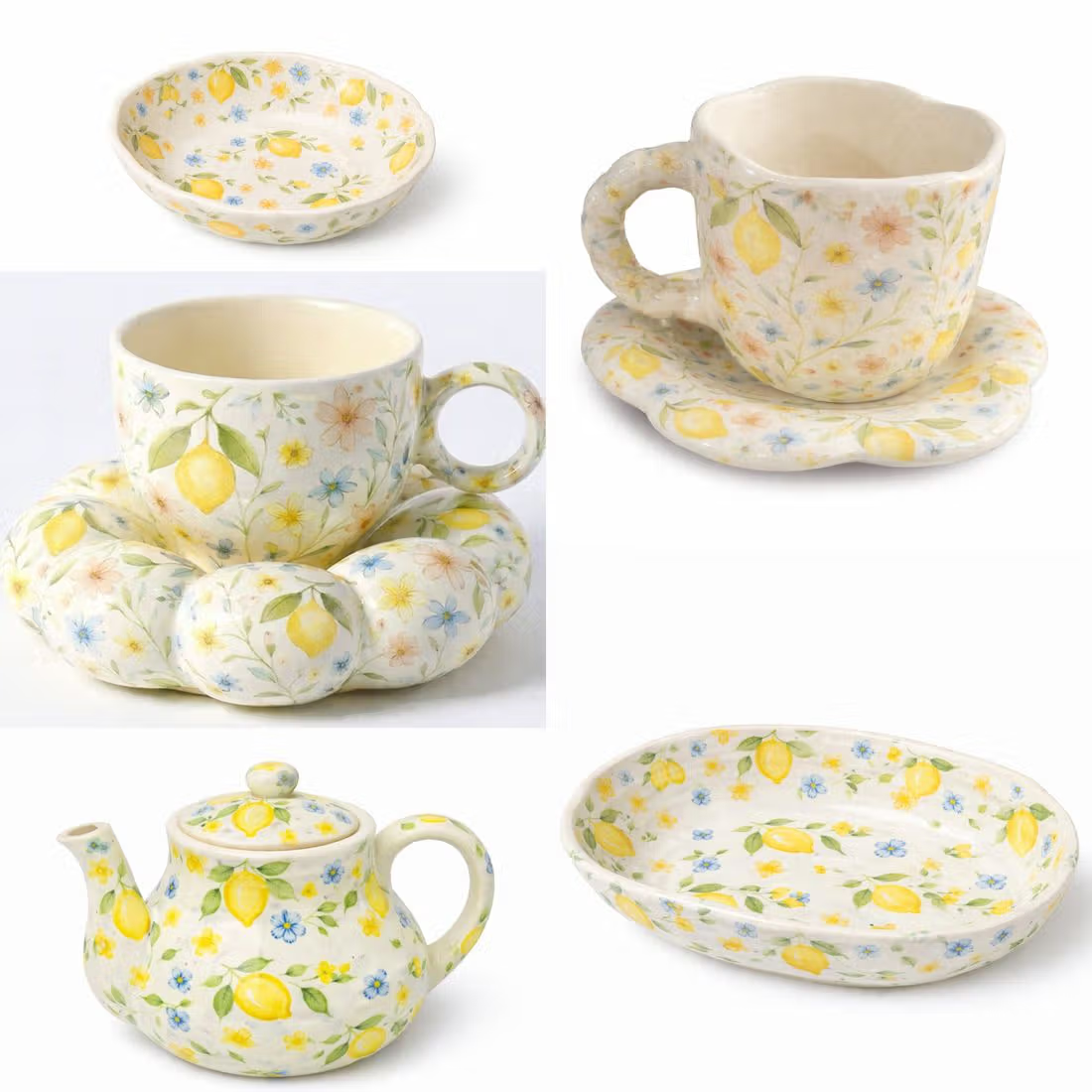
Yes. Gemixx develops custom prints and patterns from client artwork, sketches, samples, or references across dinner sets, jars, vases, and other tableware. Full private-label manufacturing with custom packaging is available and has been delivered for over 250 partner brands globally.
Is the ceramic dinnerware food-safe and compliant with US regulations?
Food-contact pieces are made for everyday use and relevant components meet Prop 65 requirements. Specific food-contact and care compliance documentation is confirmed individually per program quote to match each buyer's regulatory needs.
What types of ceramic dinnerware and tableware does Gemixx manufacture?
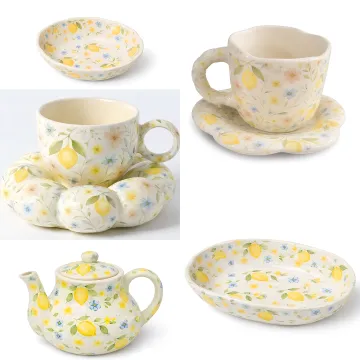
Gemixx produces a complete lifestyle range including dinner sets, cups and saucers, soup bowls, ramekins, decorative and storage jars, flower vases, serving trays, pitchers, mugs, and canisters, all available in coordinated hand-decorated prints across the full product range.
What certifications and ethical standards does Gemixx follow in production?
Gemixx is a SEDEX member and its facilities undergo SMETA (Sedex Members Ethical Trade Audit) audits, confirming adherence to recognized supply chain social and ethical compliance standards. Relevant components also meet California Prop 65 requirements.
Where are Gemixx's ceramic dinnerware products manufactured?
Gemixx's ceramic dinnerware is formed, glazed and decorated at Gemixx's own Khurja ceramics factory in India, with production coordinated directly from the company's New Delhi headquarters. This eliminates third-party contract shops, keeping full quality control between the client and the production floor.
Stoneware, porcelain or bone china: which ceramic body should I choose?
Porcelain is fired at high temperature until it is dense, white and thin-walled. Bone china adds bone ash for a lighter, translucent body. Stoneware is thicker and heavier, with an earthier look that suits reactive and speckled glazes. Retail lifestyle ranges often use stoneware, while hotel banqueting often uses porcelain for its weight-to-strength ratio. Gemixx's Khurja plant forms ceramic and stoneware by slip casting and jiggering. If your program needs porcelain or bone china specifically, state it in your brief so the body can be confirmed in the quote.
How is glazed dinnerware checked for food-contact safety in the US?
The FDA limits how much lead and cadmium may leach from ceramic ware that touches food, and California Proposition 65 can require warnings where lead exposure exceeds its safe-harbor levels. Most US retailers ask for third-party leach test reports on production samples, especially for colored glazes, decals and hand-painted decoration. Gemixx confirms food-contact suitability and care guidance for each ceramic program in your quote, and relevant components meet Proposition 65 requirements. Ask for the test plan to be agreed before you approve samples, so results are in hand before the run ships.
Will a reactive glaze look the same on every reorder?
Not exactly, and that is part of its appeal. Reactive glazes flow and break differently in each kiln firing, so color and pattern vary from piece to piece. Solid gloss and matte glazes are far more consistent. For a reactive range, approve a set of limit samples that shows the acceptable spread of variation, and keep retained samples from each lot to compare against reorders. Gemixx runs first-article and lot AQL inspection at its Noida quality-control unit, so ask for your limit samples to be used as the inspection reference.
Can ceramic dinnerware be made for hotels and restaurants?
Yes. Gemixx supplies hospitality groups, and its tableware can be specified for repeated handling and washing. For commercial service, ask for shapes that stack securely, rolled or thickened rims that resist chipping, and glazes that hide cutlery marks. Decoration matters too: designs under the glaze hold up better in commercial washing than overglaze decals and gold lusters. Care guidance varies by decoration and finish and is confirmed in your quote. Gemixx's network turns out around 50,000 tableware units in a typical 30-day cycle.
How is wholesale dinnerware packed to limit breakage?
Breakage in transit is one of the biggest hidden costs in ceramic programs, so specify packing in your brief. Typical choices are individual sleeves or inner boxes, molded or corrugated dividers, and master cartons sized to your retail or warehouse handling. Many US retailers require packed cartons to pass an ISTA transit test; if yours does, include the test procedure in the brief. Gemixx packs, labels and consolidates orders at its Noida unit and can produce custom retail packaging and gift boxes under your private label before delivering landed duty paid to your US location.