What are the main differences between copper and stainless steel cookware?
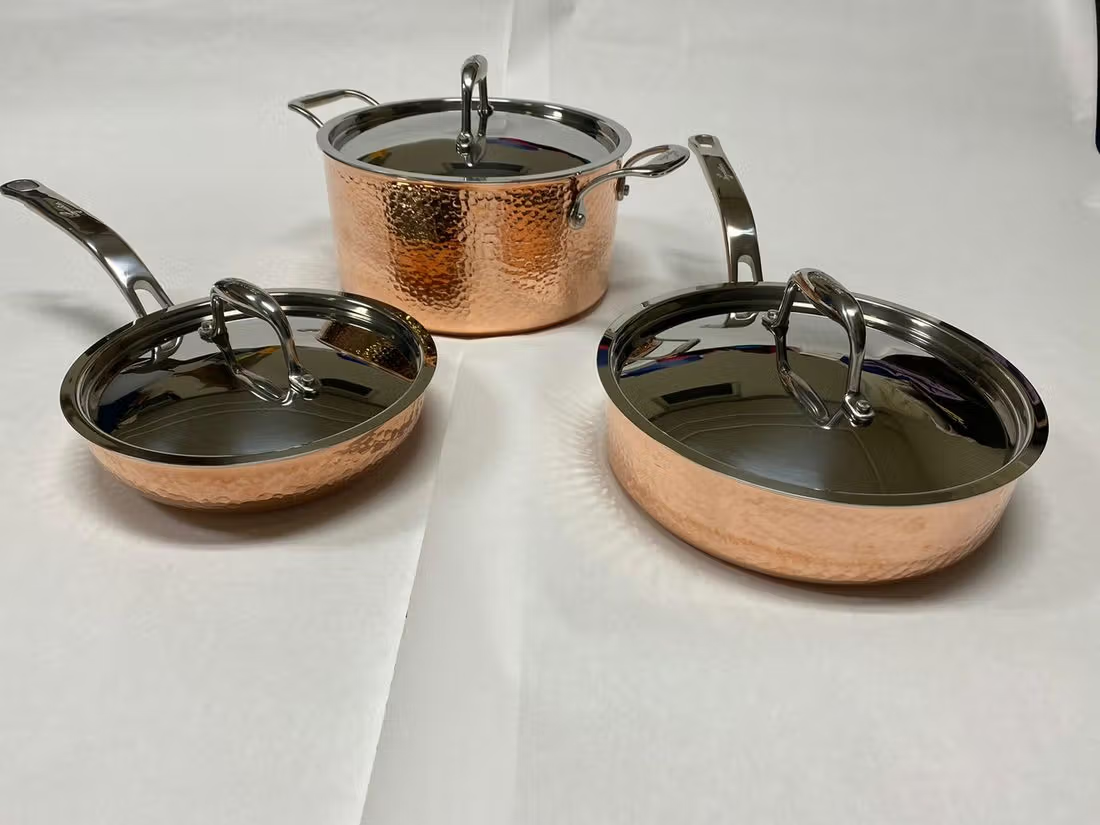
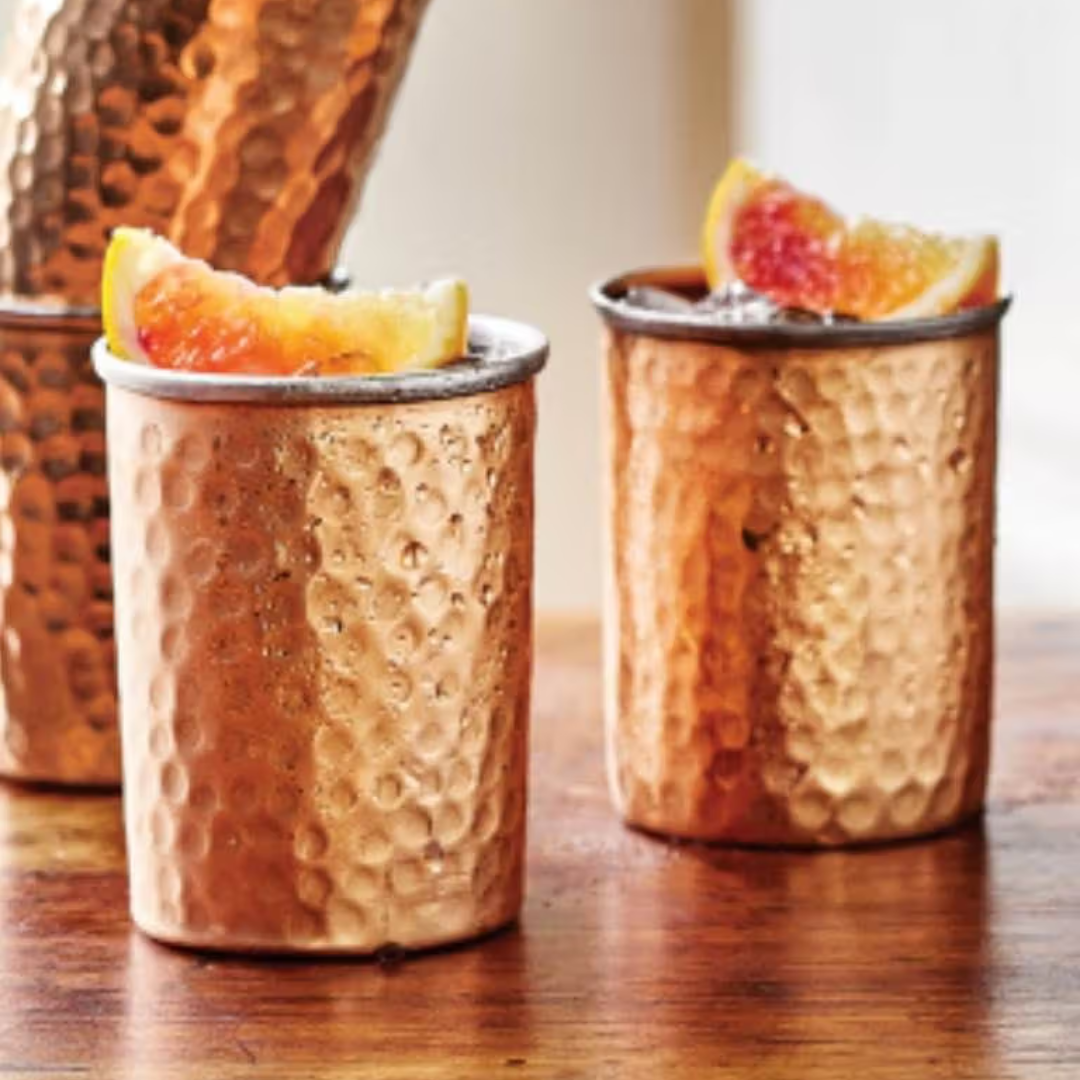
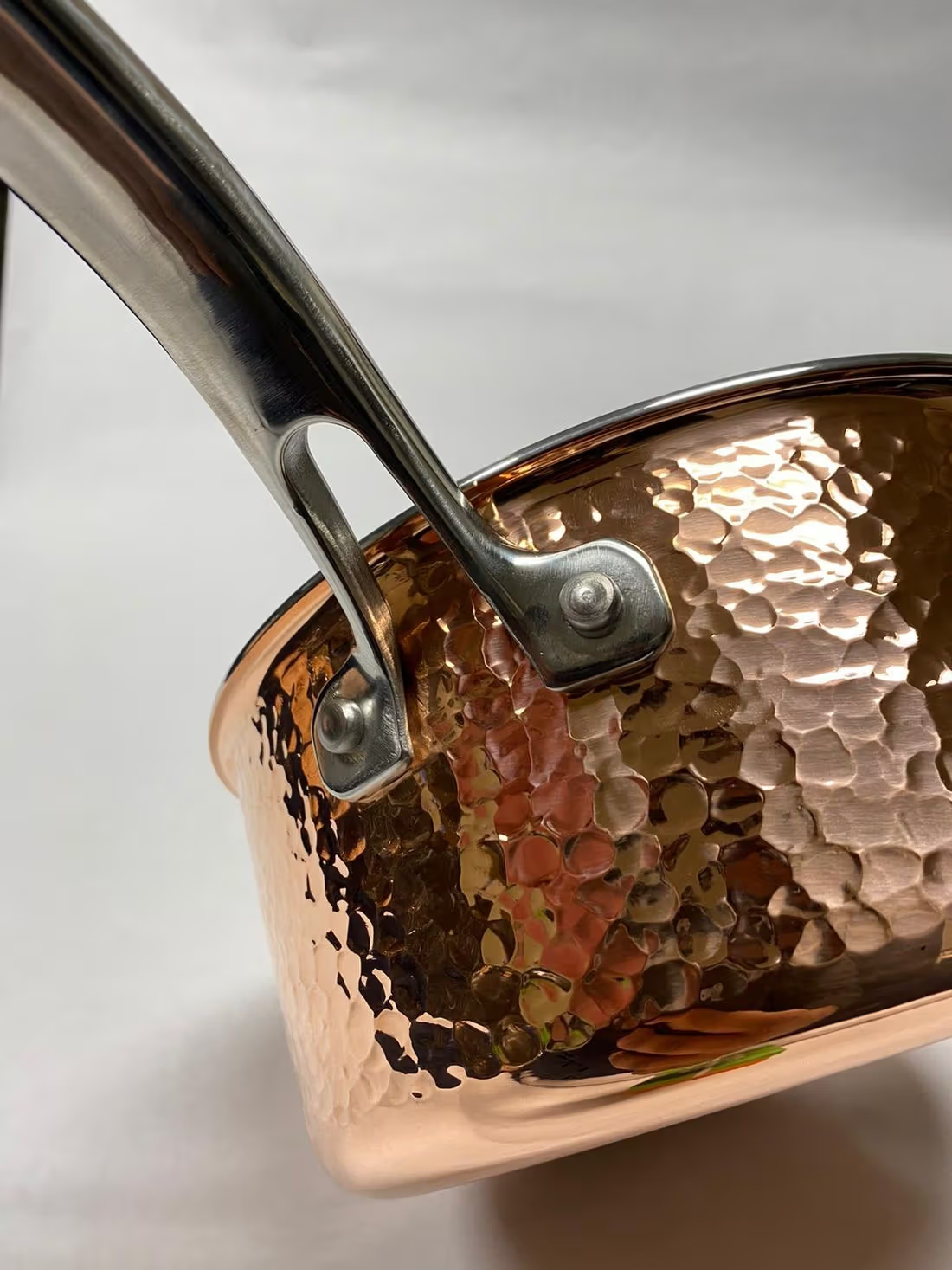
Copper cookware offers superior, fast, and even heat conductivity, making it ideal for precision cooking like sauces and searing, while stainless steel provides durability, low maintenance, and resistance to reactivity with acidic foods. Gemixx's copper cookware uses hammered dual-wall construction with a stainless steel interior, combining copper's heat performance with a food-safe, non-reactive cooking surface.
Does copper cookware need a stainless steel lining?
Yes, uncoated copper reacts with acidic foods and is not considered food-safe for direct cooking contact. Gemixx's hammered copper cookware features a food-safe stainless steel interior lining, allowing the exterior copper to retain its heat conductivity and aesthetic appeal while the cooking surface remains non-reactive and compliant with food-safety standards.
Which is more durable, copper or stainless steel cookware?
Stainless steel is generally more durable and resistant to dents, tarnishing, and wear, requiring minimal upkeep over time. Copper cookware, while visually distinctive, requires periodic polishing to maintain its finish. Gemixx's dual-wall copper construction with a stainless steel interior helps balance copper's aesthetic and heat benefits with added interior durability.
Is copper cookware safe for cooking?
Copper cookware is safe for cooking when the interior cooking surface is lined with food-safe coating or stainless steel, as uncoated copper can leach into food, especially acidic dishes. Gemixx manufactures copper cookware with FDA-compliant stainless steel linings and Prop 65 compliant components to ensure the products meet food-safety regulations.
Can copper and stainless steel cookware be manufactured with private label branding?
Yes, Gemixx offers full private label manufacturing for both copper and stainless steel cookware, including custom packaging, branding, and finish options. The company has produced private label cookware lines for over 250 partner brands and never competes with clients at retail, ensuring exclusivity for each brand's product line.
What is the production lead time for custom cookware orders?
Production lead time for Gemixx's cookware ranges from 60 to 90 days after sample approval, depending on material, finish, and order volume. This timeline covers hand-hammering, quality control, and preparation for shipment to the client's warehouse under Gemixx's vertically integrated fulfillment process.
What certifications should I look for when sourcing cookware?
Buyers should look for FDA compliance for food-contact stainless steel surfaces, California Prop 65 compliance for copper and brass components, and ethical manufacturing credentials such as SEDEX membership or SMETA audits. These certifications confirm that materials are food-safe and production practices meet recognized labor and safety standards.
What copper cookware constructions can a private-label range use?
Copper cookware is built in a few distinct ways. Solid copper pans are lined on the cooking side, traditionally with tin and today often with stainless steel. Other ranges bond copper into layers with stainless steel, or use copper only for a base or decorative exterior. Gemixx's signature construction is hammered copper in a dual-wall build with a stainless steel lining, and copper pieces can also use a food-safe copper coating. Name the construction on your spec sheet, because it changes heat response, weight, care and cost.
Should a copper range be lined with tin or stainless steel?
Tin is the traditional lining. It is fairly non-stick but soft, so it wears with use and abrasive cleaning and eventually needs re-tinning. Stainless steel is far more durable and tolerates metal utensils and scouring, though it is much less conductive than copper and cannot be repaired if damaged. For ranges sold to home cooks, a stainless lining means simpler care instructions. Gemixx copper cookware is stainless-lined or uses a food-safe copper coating.
Will copper or stainless steel cookware work on induction?
Only if the base is magnetic. Induction cooktops heat pans made of, or containing, a ferromagnetic material. Copper and aluminum do not work on their own, and some stainless steels are not magnetic enough. A range that must be sold as induction-compatible normally needs a magnetic stainless layer or plate in the base. If your market expects induction use, include it in your brief so the base construction is specified and confirmed in the quote rather than assumed.
What handle, finish and branding options suit copper and stainless cookware?
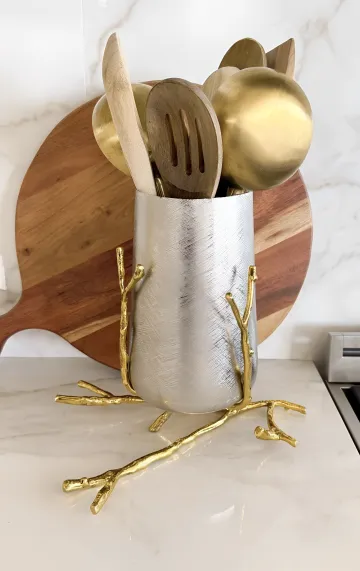
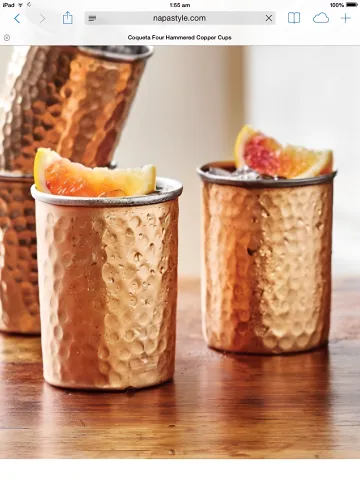
Across the category, common choices are stainless or brass handles, hammered or smooth copper exteriors, and brushed or polished stainless. Gemixx makes stainless presentation pans with brass handles, hammered copper pieces, and can laser-etch logos on metal in its in-house etching bay. Brass is best kept to handles and accents rather than cooking surfaces. Handle style, finish and logo method all affect sampling, so settle them before the first sample round rather than after it.